
Telecare: why current medical alert systems are no longer enough?

For several decades, telecare for seniors has been presented as a key solution to secure aging at home. Bracelets, pendants, or emergency call devices have long reassured families and caregivers.
Teleassistance Telecare Monitoring Senior Emergency Response

Telecare: why current medical alert systems are no longer enough?

For several decades, telecare for seniors has been presented as a key solution to secure aging at home. Bracelets, pendants, or emergency call devices have long reassured families and caregivers.

However, as lifestyles evolve, populations age, and expectations around discretion and efficiency increase, an important question arises:

Are current medical alert systems still sufficient?

What is traditional telecare?

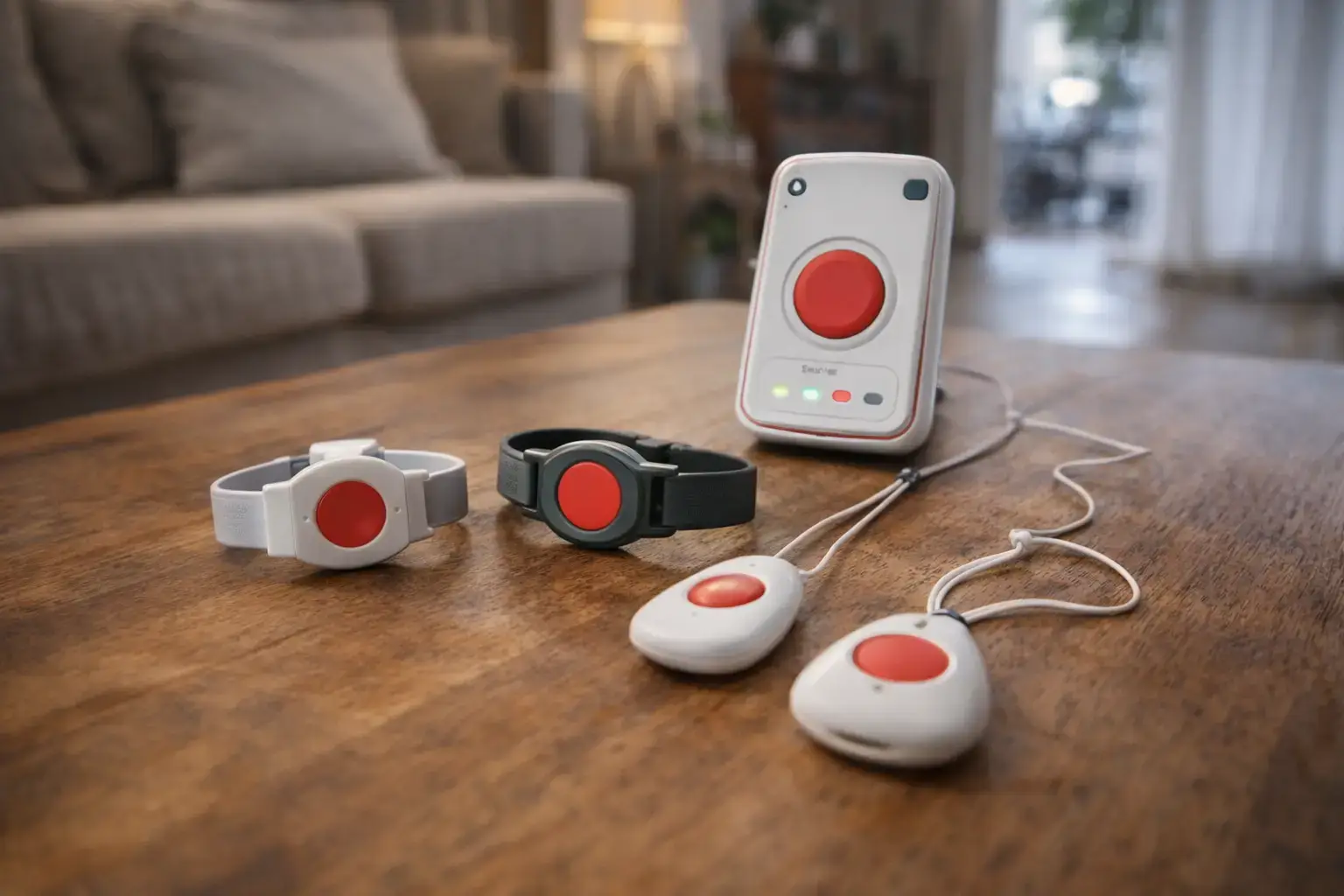
Personal emergency response system (PERS) generally relies on a simple principle:

  • A device worn by the senior
  • An emergency call button
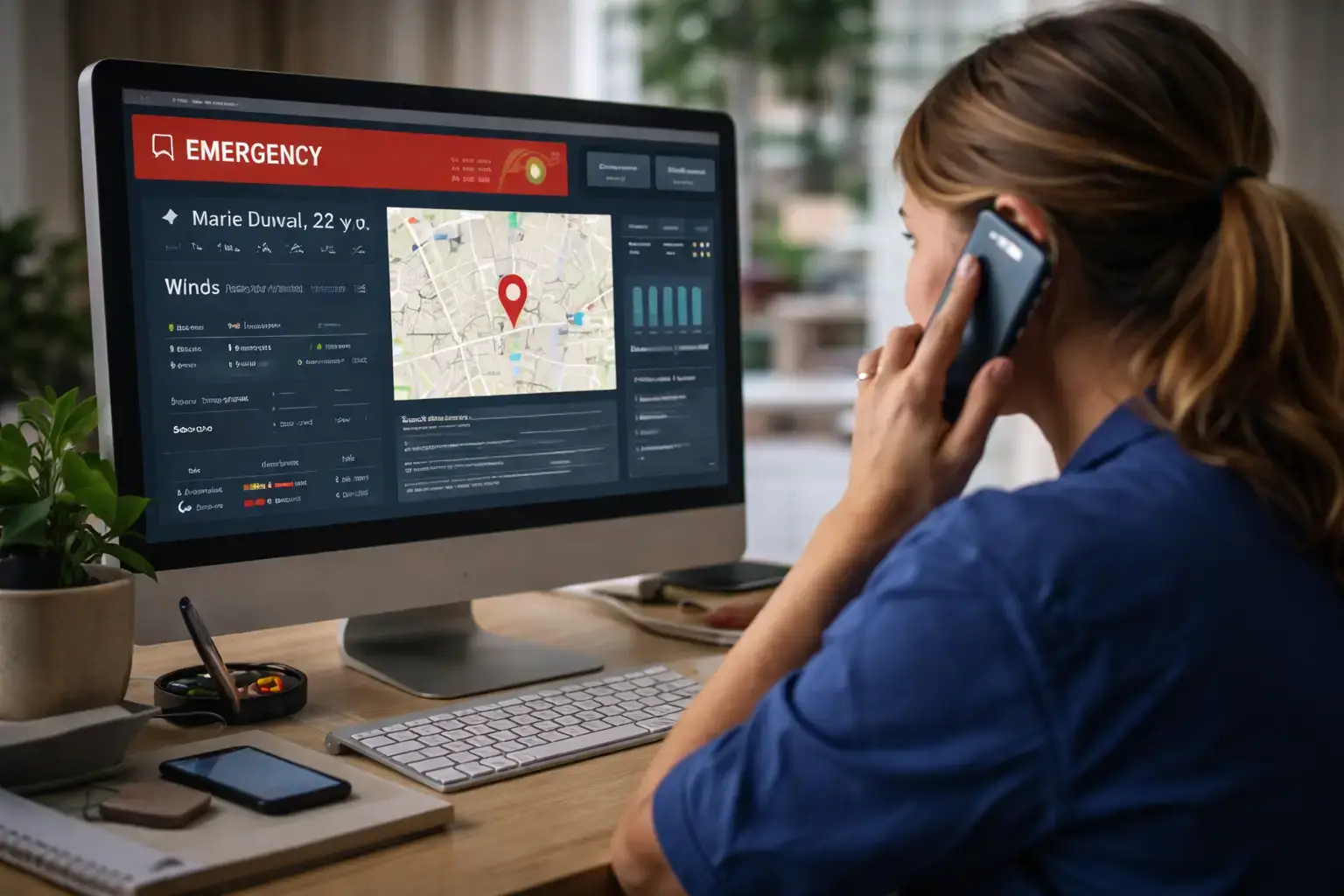
  • A 24/7 monitoring center
  • An intervention triggered after an alert


This model has helped improve the safety of many elderly individuals. However, it now reveals significant structural limitations.

Good to know

  • Many seniors wear their teleassistance device less than 50% of the time.
  • Nighttime is a critical period, when devices are often removed.
  • False positives are one of the main causes of abandonment.
  • Prevention is more effective than late intervention.
  • Solutions must be accepted by users to be truly effective.

The main limitations of current telecare systems

1. Dependence on voluntary action

Most systems require the senior to:

  • Press a button
  • Be conscious
  • Be physically able to trigger the alert


Yet in the event of a fall, the person may be:

  • Unconscious
  • Disoriented
  • Immobilized
  • Experiencing intense stress


Without voluntary action, no alert is triggered.

2. The problem of wearable devices

Many seniors:

  • Forget to wear their bracelet
  • Remove it at night
  • Refuse to wear it due to discomfort or stigma
  • Do not have it with them at the time of the fall


Result:
the system exists, but becomes unusable at the critical moment.

3. Often delayed intervention

Even when an alert is triggered:

  • Response times can be long
  • Situation assessment may be approximate
  • Intervention may arrive several minutes or even hours later


In the case of a fall, however, time spent on the floor is a major aggravating factor.

4. False positives and unnecessary alerts
Automatic detection systems integrated into some devices often generate:

  • False alarms
  • Assistance service fatigue
  • Loss of trust from users


Over time, this can lead to:

  • Ignoring certain alerts
  • Disabling certain features


Abandoning the solution altogether

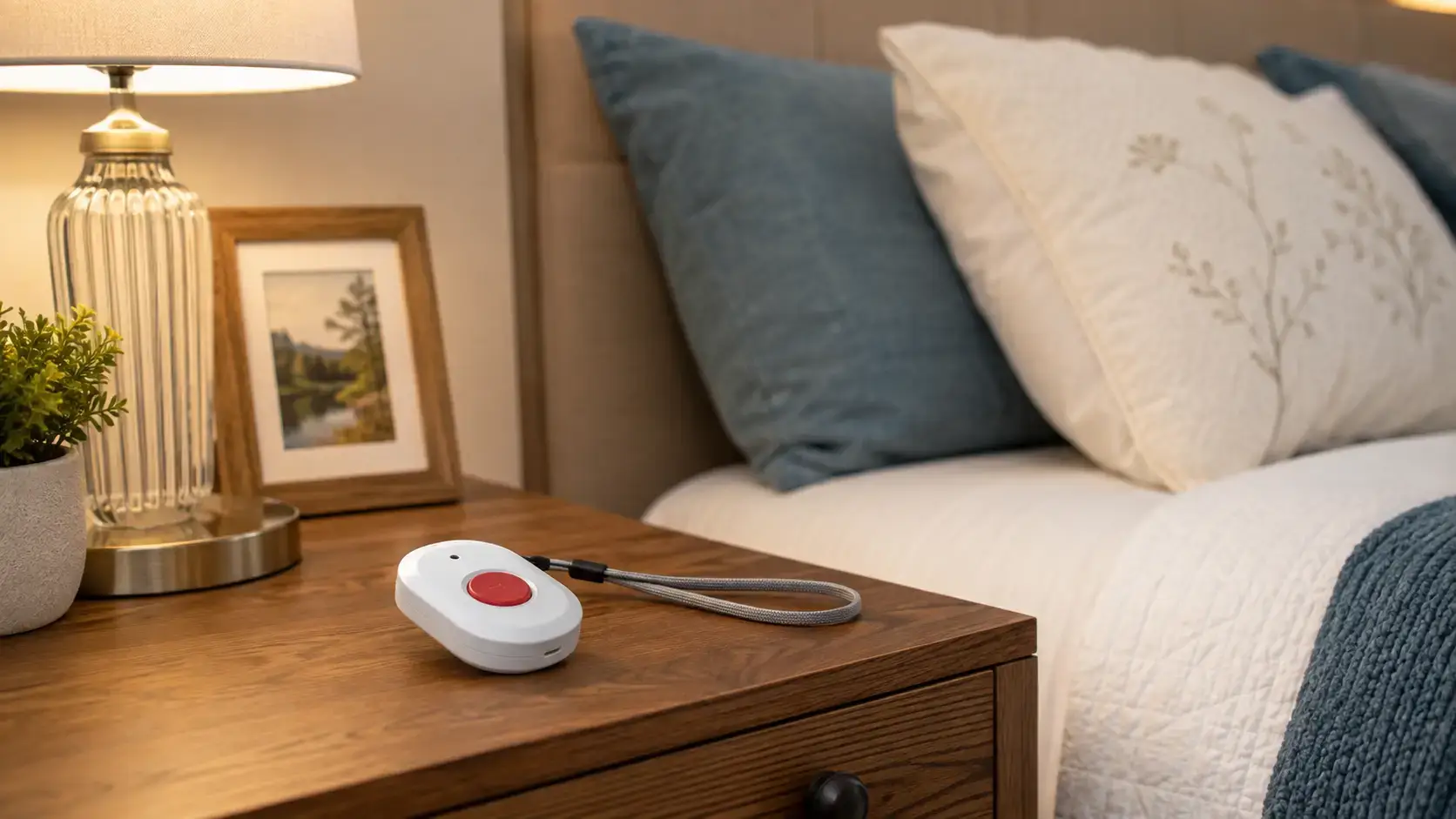
Emergency Call Button for Seniors

A solution designed for yesterday, not for today

Traditional telecare systems rely on a reactive logic:

“We intervene after the accident.”

But today’s challenges are different:

  • Limit false positives and immediate response
  • Assess the situation as accurately as possible
  • Secure without constraining
  • Respect privacy
  • Integrate seamlessly into daily life

Today’s seniors expect solutions that are more discreet, more intelligent, and less intrusive.

Medical alert systems and aging at home: a model to rethink

With the aging population:

  • The number of seniors living alone is increasing
  • Falls at home are becoming more frequent
  • Family caregivers are increasingly solicited
  • Risk situations (such as Alzheimer’s) are increasing: fires, carbon monoxide emissions due to forgotten appliances, etc.

Teleassistance remains useful, but it can no longer be the only response to senior safety challenges.

Toward a new generation of prevention

Modern approaches are moving toward:

  • Environmental analysis
  • Behavior understanding
  • Early detection of risky situations
  • Faster and more relevant interventions


The objective is no longer simply to trigger an alert, but to reduce the human and medical consequences of falls and accidents.

Follow NestSentinel

Remote monitoring has long been an appropriate solution. Today, needs are evolving — just like the expectations of seniors and their families.

👉 To follow the evolution of safety and prevention solutions for seniors, you can subscribe to our newsletter and stay informed about innovations in this field.

FAQ: Telecare for vulnerable people

No. It remains useful, but it is no longer sufficient on its own to address today’s prevention challenges.

Because of discomfort, fear of stigma, inconvenience, or a feeling of loss of independence.

Yes. New approaches combine prevention, technology, and respect for privacy.

It generally intervenes after a fall, but does not truly prevent it.

Moving from a reactive model to intelligent prevention.

Share the Post:

Related Posts

🎁 Free checklist ‱ Spot hidden risks in minutes

Is your loved one truly safe at home?

🚀 Download your free checklist of the 25 hidden hazards and spot risks in just a few minutes.

Start making your loved one’s home safer — today:

*No spam, ever. Unsubscribe anytime with just one click.

🎁 Checklist gratuite ‱ RepĂ©rez les risques rapidement

Vos proches sont-ils vraiment en sécurité chez eux ?

🚀 TĂ©lĂ©chargez votre checklist gratuite des 25 dangers cachĂ©s et repĂ©rez les risques en quelques minutes.

SĂ©curisez leur logement dĂšs aujourd’hui :

*Promis, pas de spam. Désabonnement en un clic à tout moment.

Leave a Reply

🎁 Free checklist ‱ Spot hidden risks in minutes

Is your loved one truly safe at home?

🚀 Download your free checklist of the 25 hidden hazards and spot risks in just a few minutes.

Start making your loved one’s home safer — today:

*No spam. Unsubscribe anytime with one click.

🎁 Checklist gratuite ‱ RepĂ©rez les risques rapidement

Vos proches sont-ils vraiment en sécurité chez eux ?

🚀 TĂ©lĂ©chargez votre checklist gratuite des 25 dangers cachĂ©s et repĂ©rez les risques en quelques minutes.

SĂ©curisez leur logement dĂšs aujourd’hui :

*Promis : zéro spam. Désinscription en un clic à tout moment.

đŸ‘‹đŸ» Wait
 leaving already?

🚀 Before you go
 Download your free checklist of the 25 hidden hazards in the homes of vulnerable individuals.

Identify risks in just a few minutes and start protecting your loved ones today.

What you’ll discover:

*No spam. Unsubscribe anytime with one click.

đŸ‘‹đŸ» Attendez
 vous partez dĂ©jĂ  ?

🚀 Avant de partir
 TĂ©lĂ©chargez votre checklist gratuite des 25 dangers cachĂ©s dans le domicile des personnes vulnĂ©rables.

Identifiez les risques en quelques minutes et commencez dĂšs aujourd’hui Ă  protĂ©ger vos proches.

Ce que vous allez découvrir :

*Promis : zéro spam. Désinscription en un clic à tout moment.