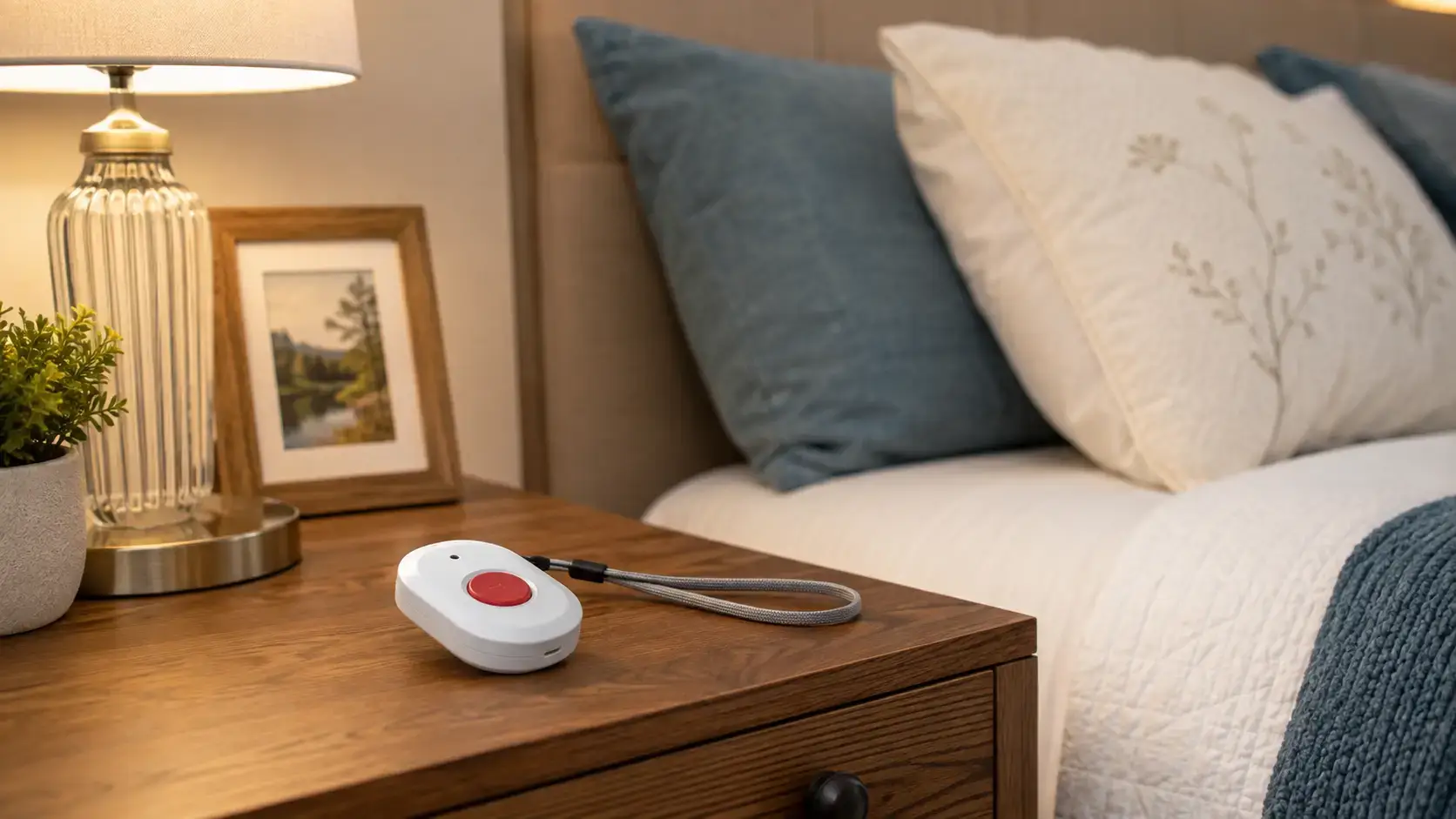

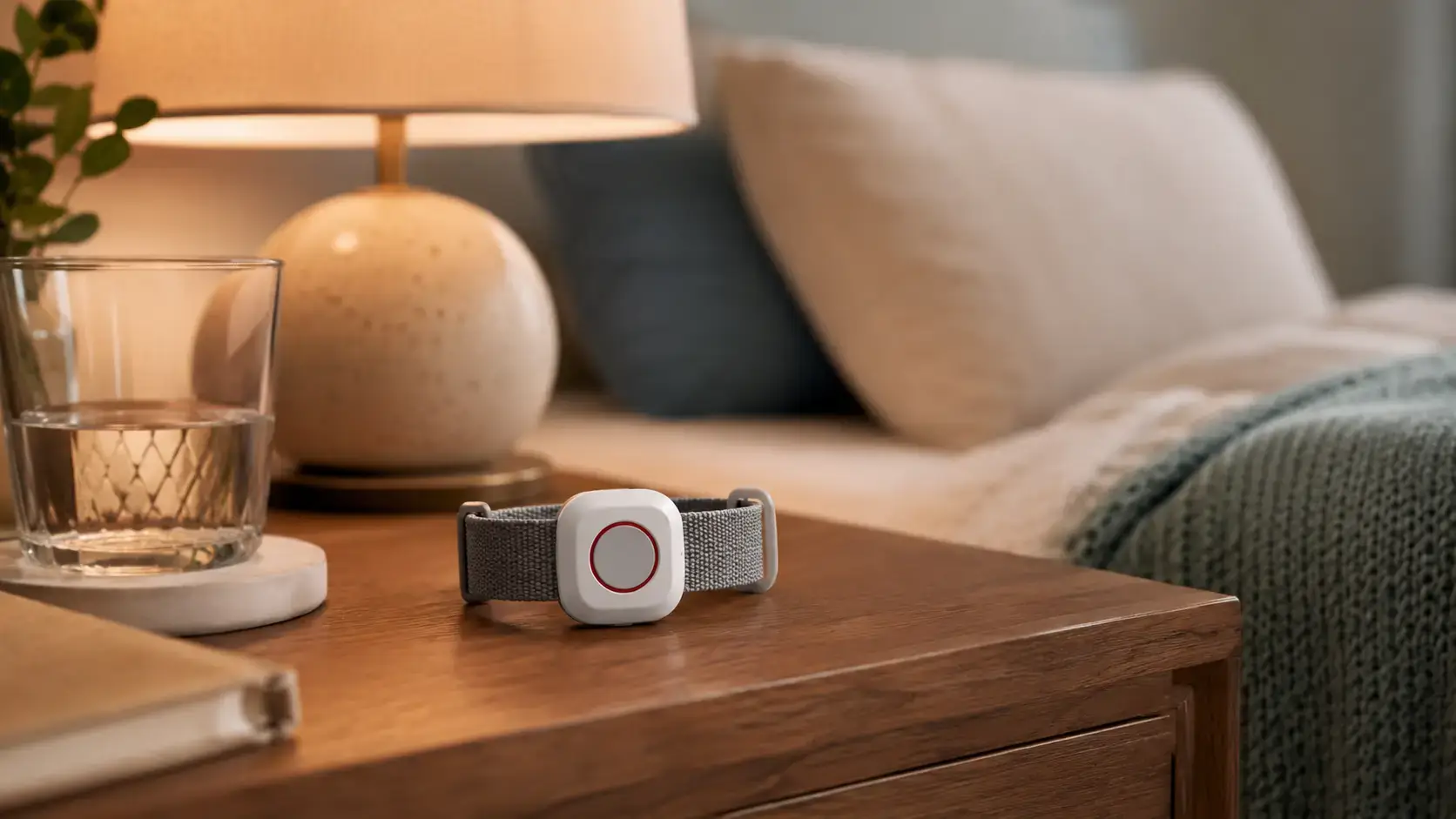
Fall detection bracelets and pendants are among the best-known prevention tools for older adults. However, their effectiveness depends on one essential condition: the device must be worn, accepted and working when the fall occurs.
What are fall detection bracelets?
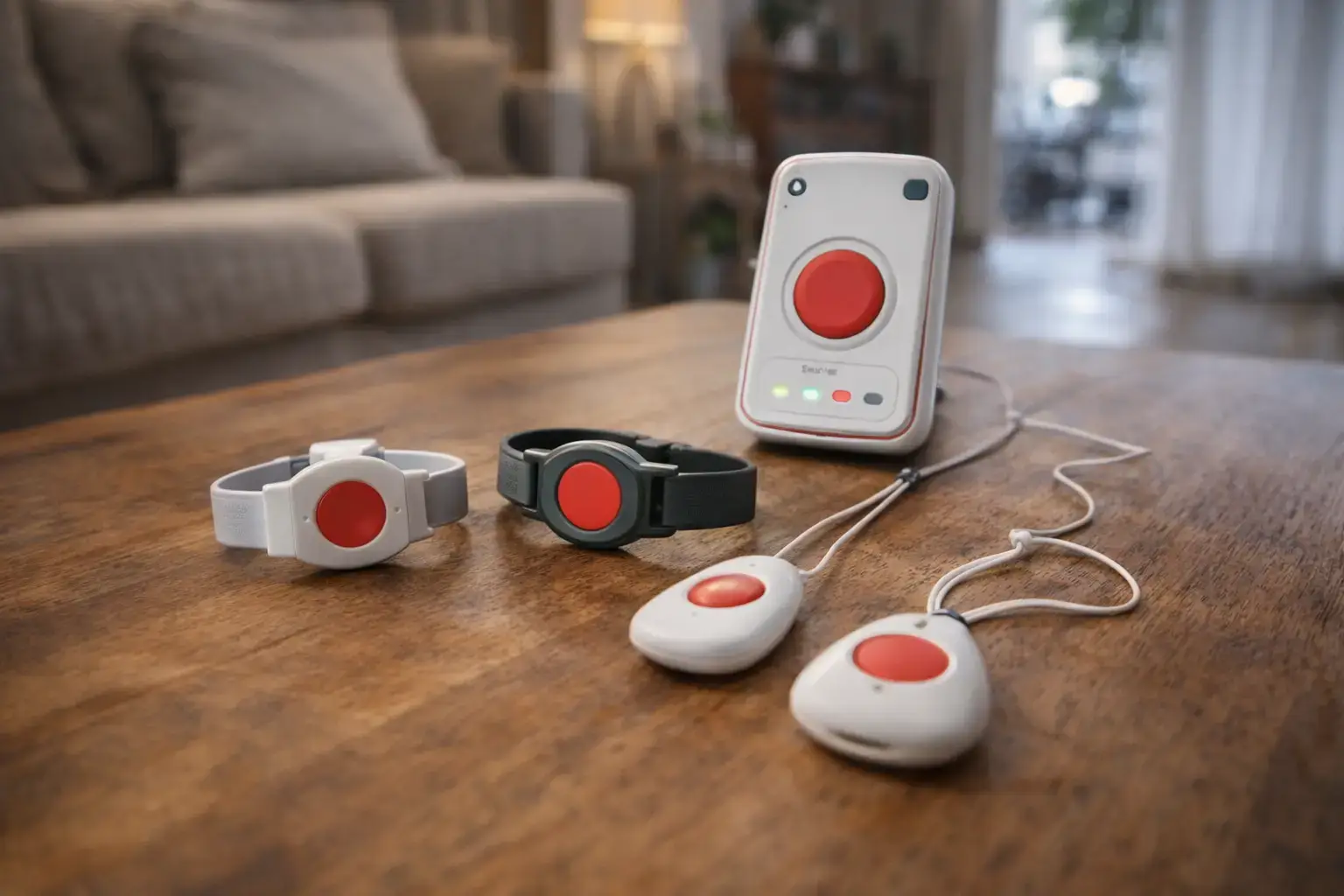
Fall detection bracelets are wearable devices designed to identify a possible fall using sensors such as accelerometers, gyroscopes or emergency buttons.
Some systems trigger an automatic alert when a fall-like movement is detected. Others require the resident to press a button after an incident. In both cases, the bracelet or pendant is linked to a wider alerting workflow involving staff, relatives or an emergency response service.
Key takeaways
Why bracelets can help
Wearables have clear advantages. They are familiar, relatively easy to deploy and can provide reassurance to residents, families and staff. For mobile seniors, a bracelet or pendant can also support alerting beyond the bedroom.
In some situations, a wearable device may be appropriate: a resident understands the device, agrees to wear it, keeps it charged and is able to use it when needed.
The main limits
The challenge begins when the device becomes part of daily life.
Elderly people may remove a bracelet because it is uncomfortable, stigmatizing or simply forgotten. Cognitive impairment, confusion, sleep routines, hygiene, skin sensitivity or personal preference can all affect compliance.
A wearable also creates a dependency: if the resident is not wearing it, the system cannot help. If the battery is empty, if the device is left on a bedside table, or if the person cannot press the button after a fall, the alert may not happen.
Automatic detection helps reduce this dependency, but it does not eliminate it. Some falls are slow, soft or atypical. Other movements may look like falls and generate unnecessary alerts.
Acceptance matters as much as accuracy
What alternatives should care facilities and families consider?
How to compare options before deployment
Discover RoomGuardian by NestSentinel
The future of prevention in care environments will not be won by the most visible technology, but by the most acceptable one. A solution can only protect people over time if residents tolerate it, families trust it, and care teams believe in the quality of its alerts.
RoomGuardian by NestSentinel was designed precisely around this principle: protect without imposing, detect without filming, assist without stigmatizing. By combining radar, thermal sensing, audio event analysis, presence detection and contextual environmental signals, RoomGuardian aims to identify risk situations earlier without video cameras, without bracelets and without requiring action from the resident. Its edge-based architecture keeps analysis close to the source, while its multi-sensor approach helps qualify alerts before they reach care teams.
In other words, RoomGuardian is not just another detection device. It is a new generation of non-intrusive prevention technology: discreet enough to be accepted by residents, intelligent enough to support caregivers, and respectful enough to preserve what matters most in care — dignity, trust and human presence.