
10 actions to maximize the daily independence of vulnerable people

Preserving the independence of vulnerable individuals has become a major challenge for families, caregivers, and healthcare professionals. With an aging population and a growing number of people wishing to remain in their own homes, it is essential to implement practical solutions that promote independence while ensuring safety.
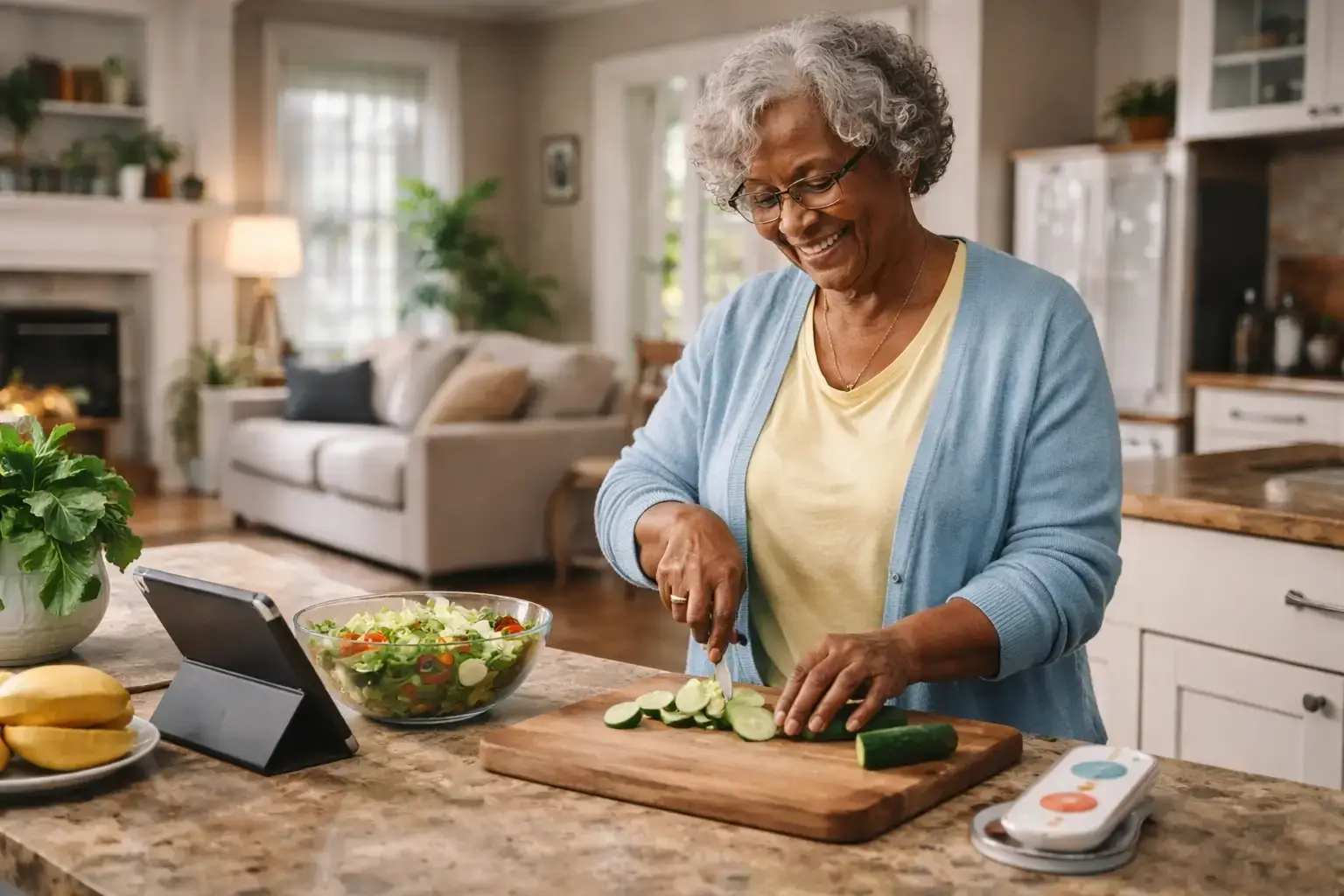
Independent elderly woman preparing a healthy meal at home

10 actions to maximize the daily independence of vulnerable people

Preserving the independence of vulnerable individuals has become a major challenge for families, caregivers, and healthcare professionals. With an aging population and a growing number of people wishing to remain in their own homes, it is essential to implement practical solutions that promote independence while ensuring safety.

Independence does not mean the absence of support. It relies on a balance between prevention, an adapted environment, human assistance, and intelligent technologies.

Here are 10 effective tips to maximize the independence of vulnerable individuals while preserving their quality of life.

1. Adapt the home to reduce risks

The home is often the place where accidents occur most frequently. However, a few simple adjustments can significantly reduce potential hazards.

The most effective actions include:

  • Removing slippery rugs
  • Improving lighting, especially at night
  • Installing grab bars in the bathroom
  • Securing staircases
  • Clearing walking areas


An adapted living environment helps maintain mobility and reduces the risk of falls, one of the main causes of loss of independence among older adults.

Good to know

With a few simple ideas, it is possible to improve independence and support aging at home.

For example, for people who are able to practice it, Tai Chi combines several benefits at once: strengthening social connections, maintaining physical activity, and stimulating cognitive function.

2. Maintain regular physical activity

Movement is a key factor in preserving independence.

Recommended activities for vulnerable individuals include:

  • Daily walking
  • Gentle exercise
  • Balance training
  • Light muscle strengthening

These activities help to:

  • Strengthen muscles
  • Improve balance
  • Reduce the risk of falls
  • Maintain self-confidence


Even moderate physical activity can have a significant impact on quality of life.

3. Encourage cognitive stimulation

Independence does not rely solely on physical abilities. Cognitive functions also play an essential role.

Beneficial activities include:

  • Reading
  • Memory games
  • Crossword puzzles
  • Regular conversations
  • Learning new activities


Stimulating the brain helps preserve decision-making abilities and confidence in everyday actions.

4. Simplify everyday objects

Overly complex devices can create frustration or even dangerous situations.

It is advisable to prioritize:

  • Phones with large buttons
  • Simple household appliances
  • Automatic lighting systems
  • Easy-to-use equipment


The goal is to reduce technical barriers that may hinder independence.

Story About NestSentinel Senior Safe Happy At Home

5. Maintain an active social life

Social isolation is one of the major factors contributing to loss of independence.

Encouraging social interactions helps to:

  • Maintain morale
  • Stimulate cognitive functions
  • Reduce the risk of depression
  • Preserve daily routines


Possible activities include:

  • Senior clubs
  • Community organizations
  • Cultural activities
  • Regular family visits


Social connection strongly contributes to well-being and daily motivation.

6. Establish reassuring daily routines

Routines structure daily life and make organization easier.

For example:

  • Regular meal times
  • Planned activities
  • Consistent sleep habits


This helps reduce anxiety and reinforces the feeling of control over one’s environment.

7. Encourage independence in daily activities

Even if certain tasks become more difficult, it is important to allow the person to perform what they can still do independently.

For example:

  • Preparing a simple meal
  • Managing certain household tasks
  • Choosing their activities


Encouraging autonomy strengthens self-esteem and motivation to remain active.

8. Use intelligent assistive technologies

New technologies can play an important role in preserving independence while ensuring safety.

Some solutions can, for example:

  • Detect unusual situations
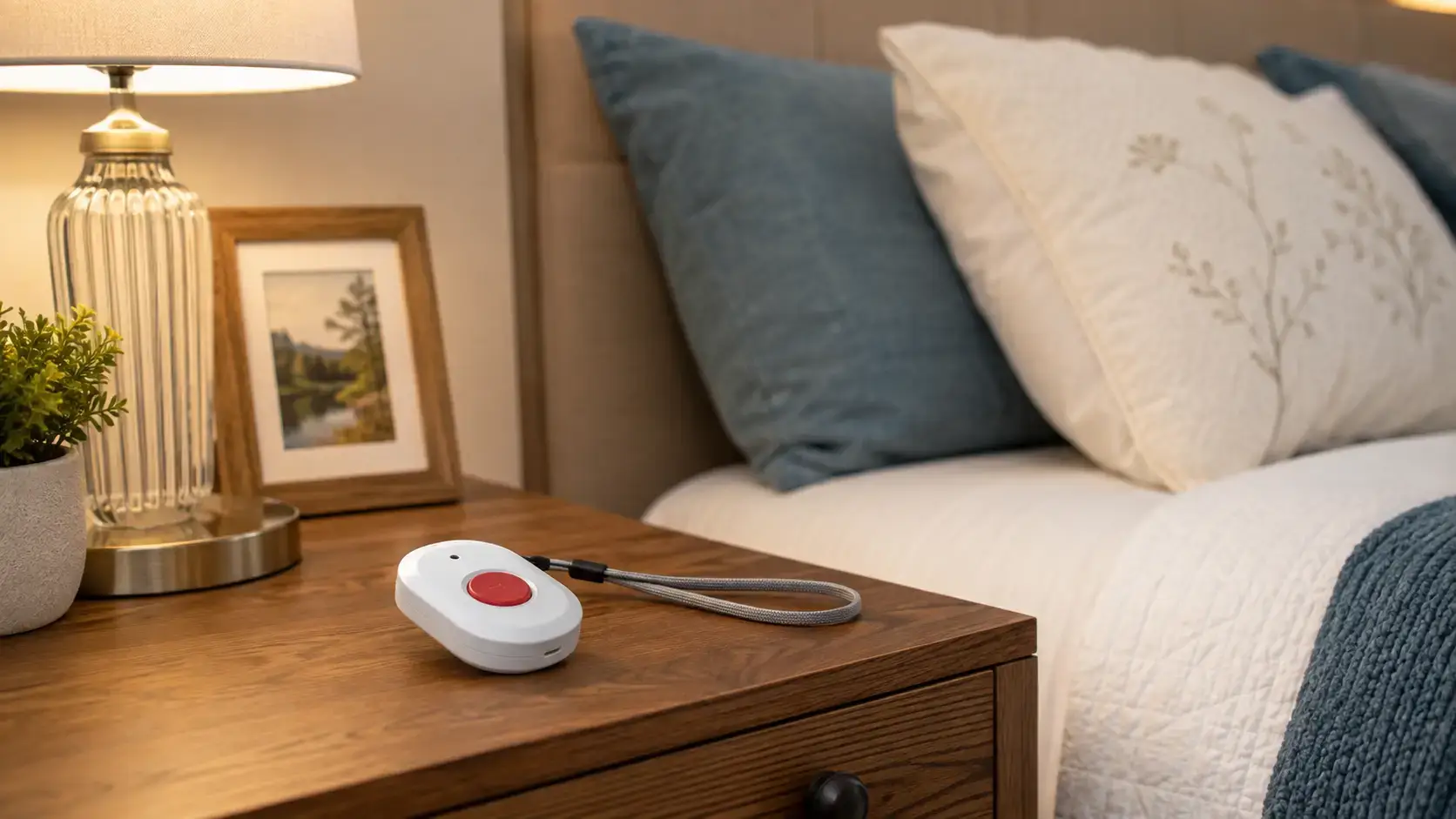
  • Trigger alerts in case of a fall
  • Monitor certain domestic risks
  • Reassure family members


The key challenge is to offer technologies that are discreet, simple, and non-intrusive, so that they are truly accepted by users.

9. Anticipate risk situations

Waiting for an accident to occur is often the worst strategy.

A preventive approach involves:

  • Identifying potential risks
  • Adapting the environment
  • Implementing safety solutions
  • Raising awareness among family caregivers


Anticipation helps preserve independence for longer and prevents sudden disruptions in daily life.

10. Involve the person in decisions

Independence is above all about freedom of choice.

It is essential that the vulnerable person:

  • Participates in decisions that concern them
  • Expresses their preferences
  • Maintains control over their daily life


This approach promotes dignity and respect—two essential elements for healthy aging.

Independence: a balance between safety and freedom

Preserving the independence of vulnerable individuals does not mean eliminating all risks. Instead, it involves finding the right balance between safety, support, and the freedom to live one’s daily life.

Best practices rely on:

  • An adapted living environment
  • Physical and cognitive activity
  • Human support
  • Intelligent technologies


By combining these approaches, it becomes possible to support aging at home while improving overall quality of life.

Follow NestSentinel

Solutions designed to preserve the independence of vulnerable individuals are evolving rapidly thanks to technological innovation.

👉 If these topics interest you, you can follow the progress of our work and discover new approaches dedicated to safety and aging in place for vulnerable individuals. Click here to subscribe.

FAQ: Independence of vulnerable individuals

By combining physical activity, home adaptations, cognitive stimulation, and appropriate safety technologies.

Yes. The goal is to secure the environment without unnecessarily restricting the person’s freedom.

Yes, provided it is simple, discreet, and respectful of privacy.

Because it directly contributes to psychological well-being, self-confidence, and overall quality of life.

Share the Post:

Related Posts

🎁 Free checklist ‱ Spot hidden risks in minutes

Is your loved one truly safe at home?

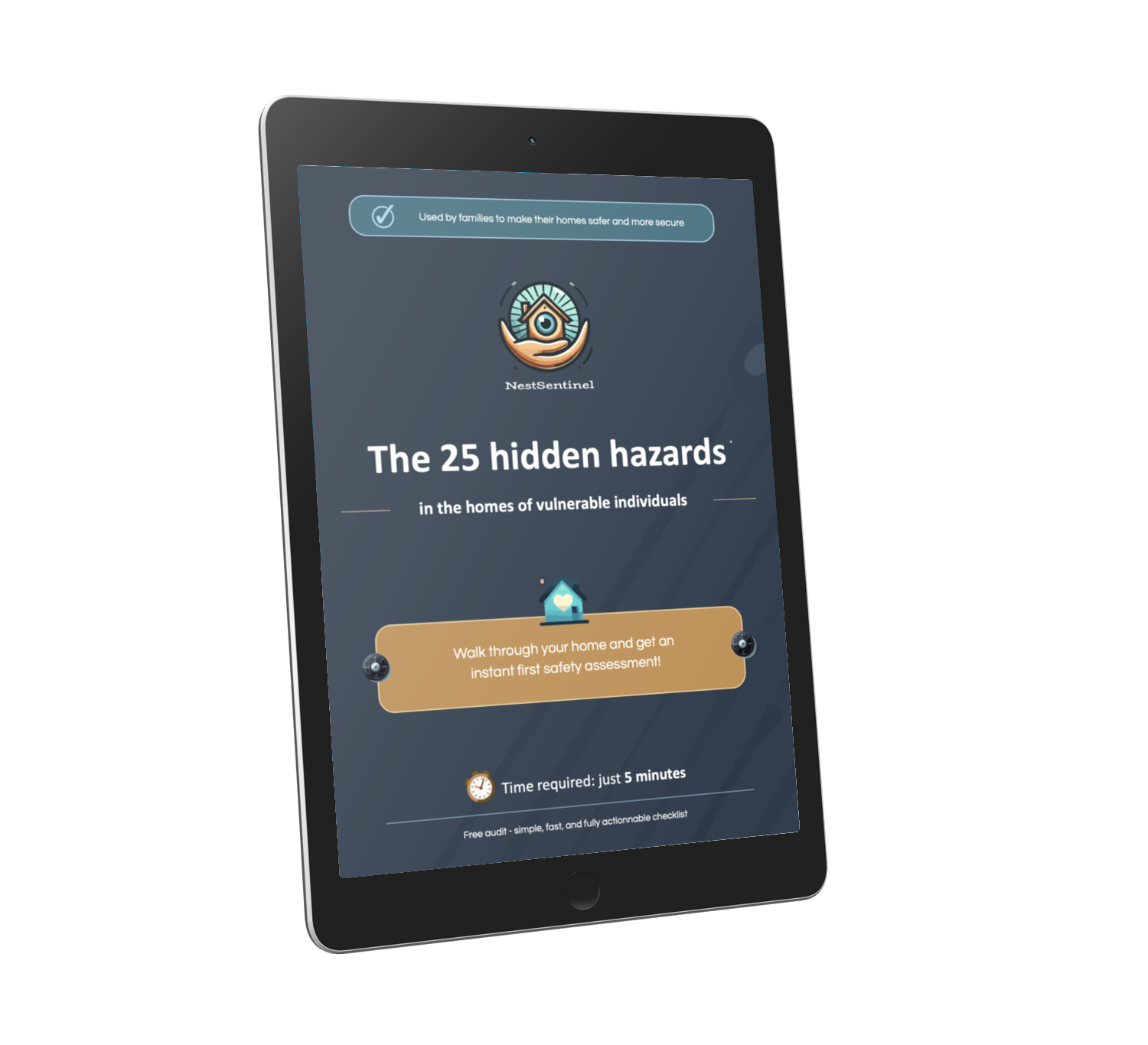
🚀 Download your free checklist of the 25 hidden hazards and spot risks in just a few minutes.

Start making your loved one’s home safer — today:

*No spam, ever. Unsubscribe anytime with just one click.

🎁 Checklist gratuite ‱ RepĂ©rez les risques rapidement

Vos proches sont-ils vraiment en sécurité chez eux ?

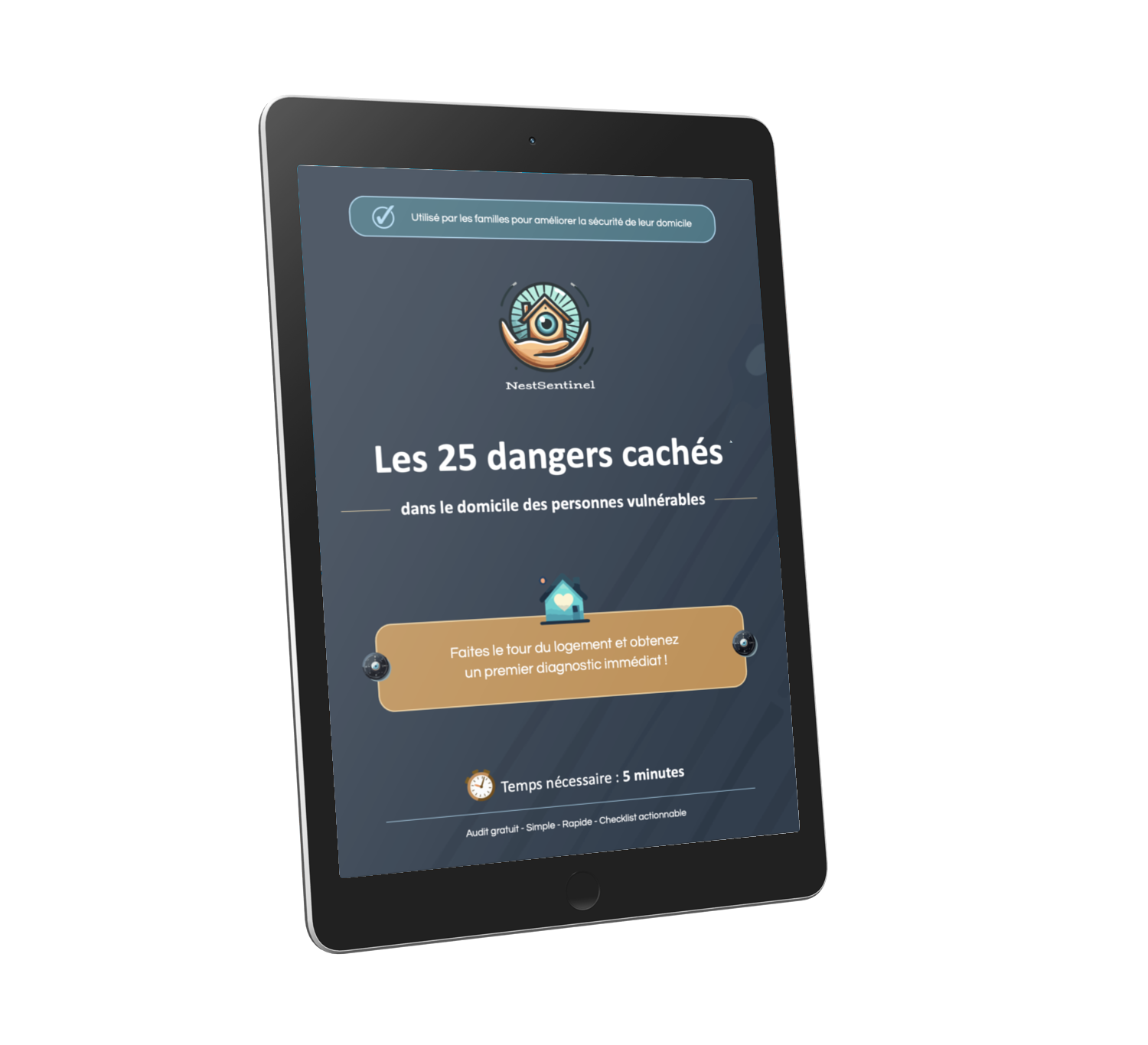
🚀 TĂ©lĂ©chargez votre checklist gratuite des 25 dangers cachĂ©s et repĂ©rez les risques en quelques minutes.

SĂ©curisez leur logement dĂšs aujourd’hui :

*Promis, pas de spam. Désabonnement en un clic à tout moment.

Leave a Reply

🎁 Free checklist ‱ Spot hidden risks in minutes

Is your loved one truly safe at home?

🚀 Download your free checklist of the 25 hidden hazards and spot risks in just a few minutes.

Start making your loved one’s home safer — today:

*No spam. Unsubscribe anytime with one click.

🎁 Checklist gratuite ‱ RepĂ©rez les risques rapidement

Vos proches sont-ils vraiment en sécurité chez eux ?

🚀 TĂ©lĂ©chargez votre checklist gratuite des 25 dangers cachĂ©s et repĂ©rez les risques en quelques minutes.

SĂ©curisez leur logement dĂšs aujourd’hui :

*Promis : zéro spam. Désinscription en un clic à tout moment.

đŸ‘‹đŸ» Wait
 leaving already?

🚀 Before you go
 Download your free checklist of the 25 hidden hazards in the homes of vulnerable individuals.

Identify risks in just a few minutes and start protecting your loved ones today.

What you’ll discover:

*No spam. Unsubscribe anytime with one click.

đŸ‘‹đŸ» Attendez
 vous partez dĂ©jĂ  ?

🚀 Avant de partir
 TĂ©lĂ©chargez votre checklist gratuite des 25 dangers cachĂ©s dans le domicile des personnes vulnĂ©rables.

Identifiez les risques en quelques minutes et commencez dĂšs aujourd’hui Ă  protĂ©ger vos proches.

Ce que vous allez découvrir :

*Promis : zéro spam. Désinscription en un clic à tout moment.