
Falls remain one of the most critical risks in nursing homes, affecting resident safety, quality of care, and staff organization. As residents become older and more vulnerable, fall prevention is no longer only a clinical issue — it has become a strategic, operational, and technological challenge for care facilities.
👉 Get my free checklist
Protect my loved one in under 5 minutes
What is a fall prevention solution for nursing homes?
A fall prevention solution for nursing homes refers to the set of methods, processes, equipment, and technologies designed to reduce fall risks, detect risk situations earlier, and improve resident safety.
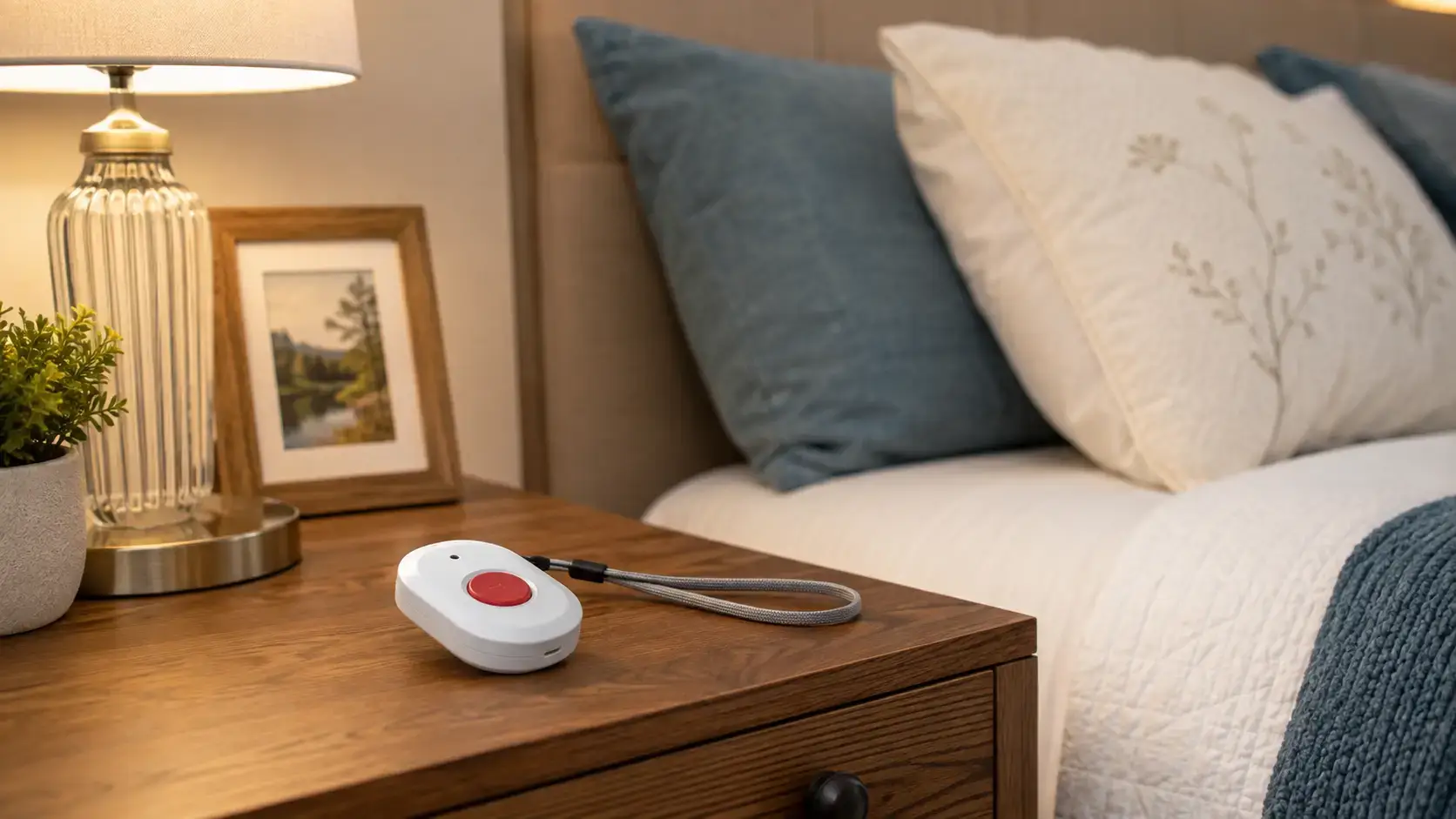
It may include individual risk assessment, environmental adaptations, staff training, mobility support, monitoring protocols, and safety technologies that improve early detection without increasing staff workload.
Key takeways
- Falls are a major risk for seniors and vulnerable individuals in nursing homes.
- Fall prevention requires a global approach: environment, organization, mobility, health, and detection.
- Care facilities need reliable, easy-to-integrate solutions that respect residents’ privacy.
- The challenge is not only detecting falls, but also reducing false alarms.
- Technology can support care teams without replacing human attention.
Why falls remain a major challenge in nursing homes
According to the World Health Organization, falls are the second leading cause of unintentional injury deaths worldwide, and adults over 60 suffer the greatest number of fatal falls. The WHO also estimates that 37.3 million falls are severe enough to require medical attention each year.
In France, the national fall prevention plan highlights that falls among people over 65 cause around 10,000 deaths and more than 130,000 hospitalizations each year.
In nursing homes, these incidents have multiple consequences: fractures, loss of independence, fear of walking again, hospitalizations, administrative workload, family concerns, and increased pressure on care teams.
The limits of traditional fall prevention approaches
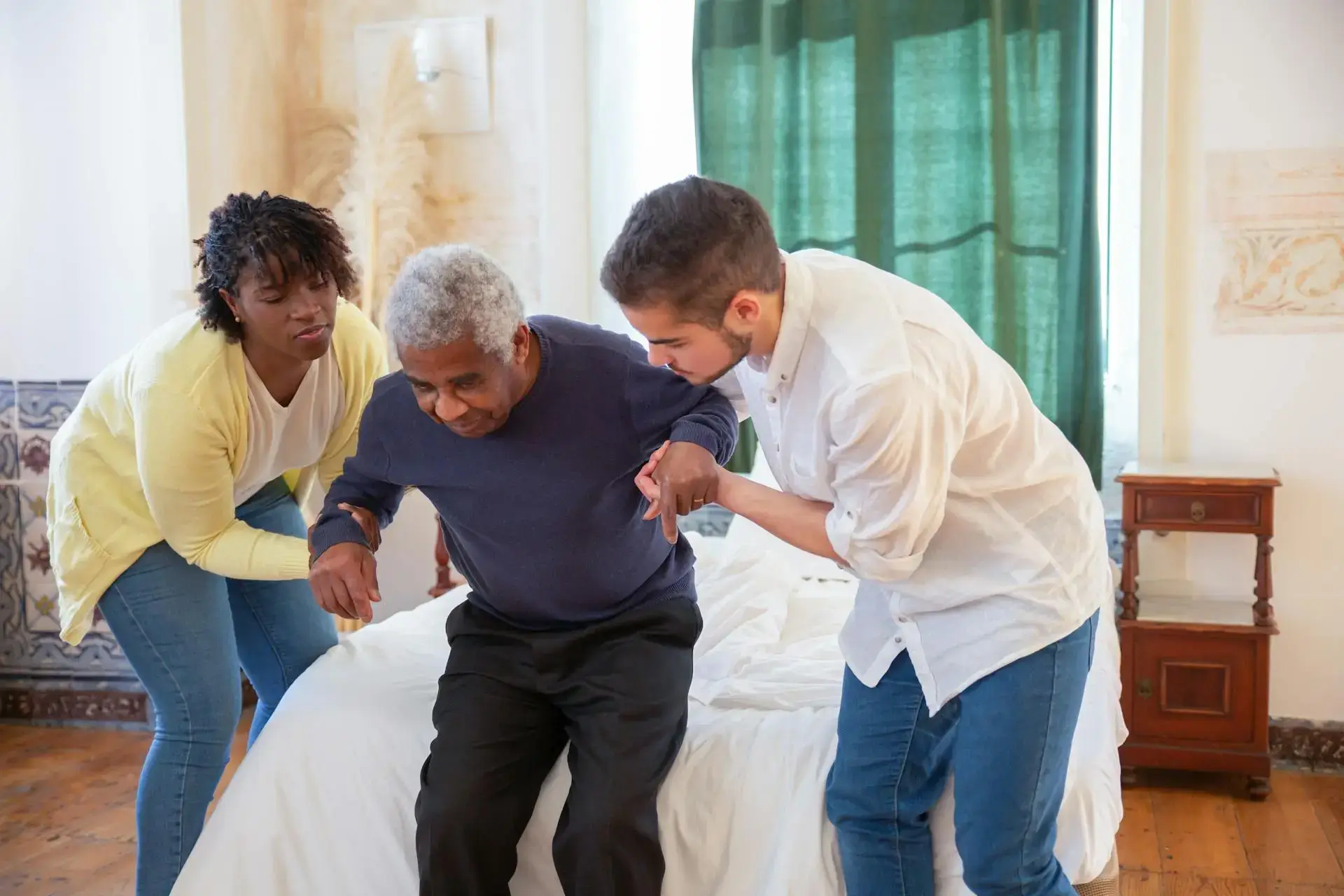
Fall prevention has long relied on essential actions:
- regular risk assessment;
- environmental adaptation;
- safer mobility pathways;
- adapted physical activity;
- medication review;
- staff training.
These measures remain essential. Public health authorities emphasize the importance of assessing fall risk among older adults and implementing adapted prevention actions.
However, several limits remain in care facilities: lack of time, highly vulnerable residents, nighttime incidents, individual rooms, delayed alerts, and technologies that are not always accepted by residents or staff.
Why nursing home managers are looking for new solutions
For nursing homes and long-term care facilities, the challenge is now twofold: improving safety without increasing staff workload.
A fall prevention solution for nursing homes must therefore meet several B2B criteria:
- reliable detection;
- fewer false alarms;
- privacy protection;
- easy integration into existing workflows;
- actionable and prioritized alerts;
- compatibility with care environments.
This is why digital tools for fall prevention and fall detection are becoming increasingly important for healthcare and medical-social facilities.
The role of technology in fall prevention
Technology does not replace care professionals. It can, however, strengthen their ability to act at the right time.
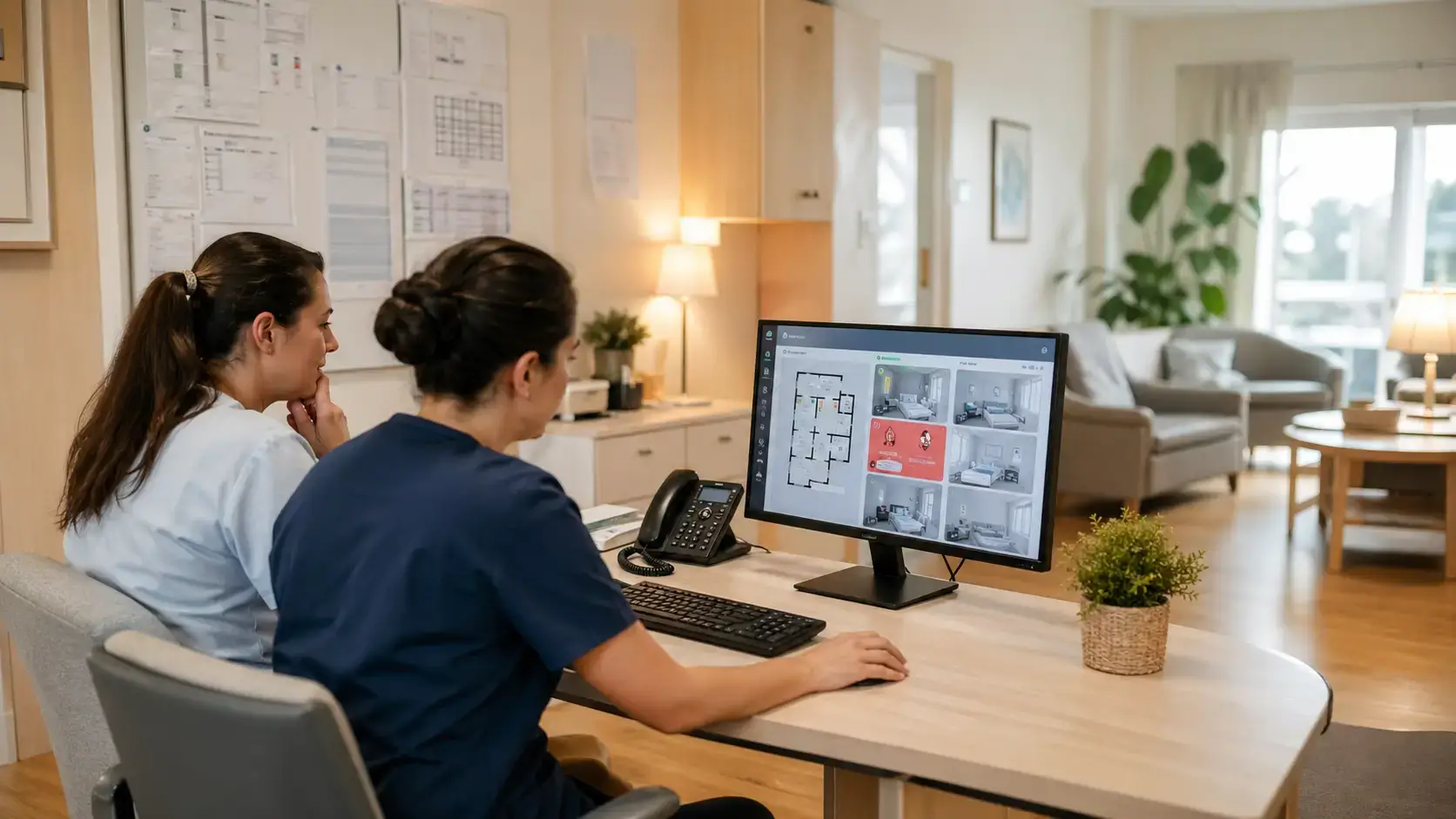
In care environments, the goal is not to monitor more, but to detect better: falls, prolonged immobility, calls for help, unusual absence of movement, or sudden posture changes.
The most relevant solutions are those that combine prevention, detection, and respect for privacy. For residents and care teams alike, safety must remain discreet, reliable, and human.
Follow NestSentinel
Solutions designed to improve safety and prevent risks for seniors and vulnerable individuals are evolving rapidly thanks to technological innovation.
But even before using AI-powered solutions, there’s already a lot you can do to make your care environment safer.
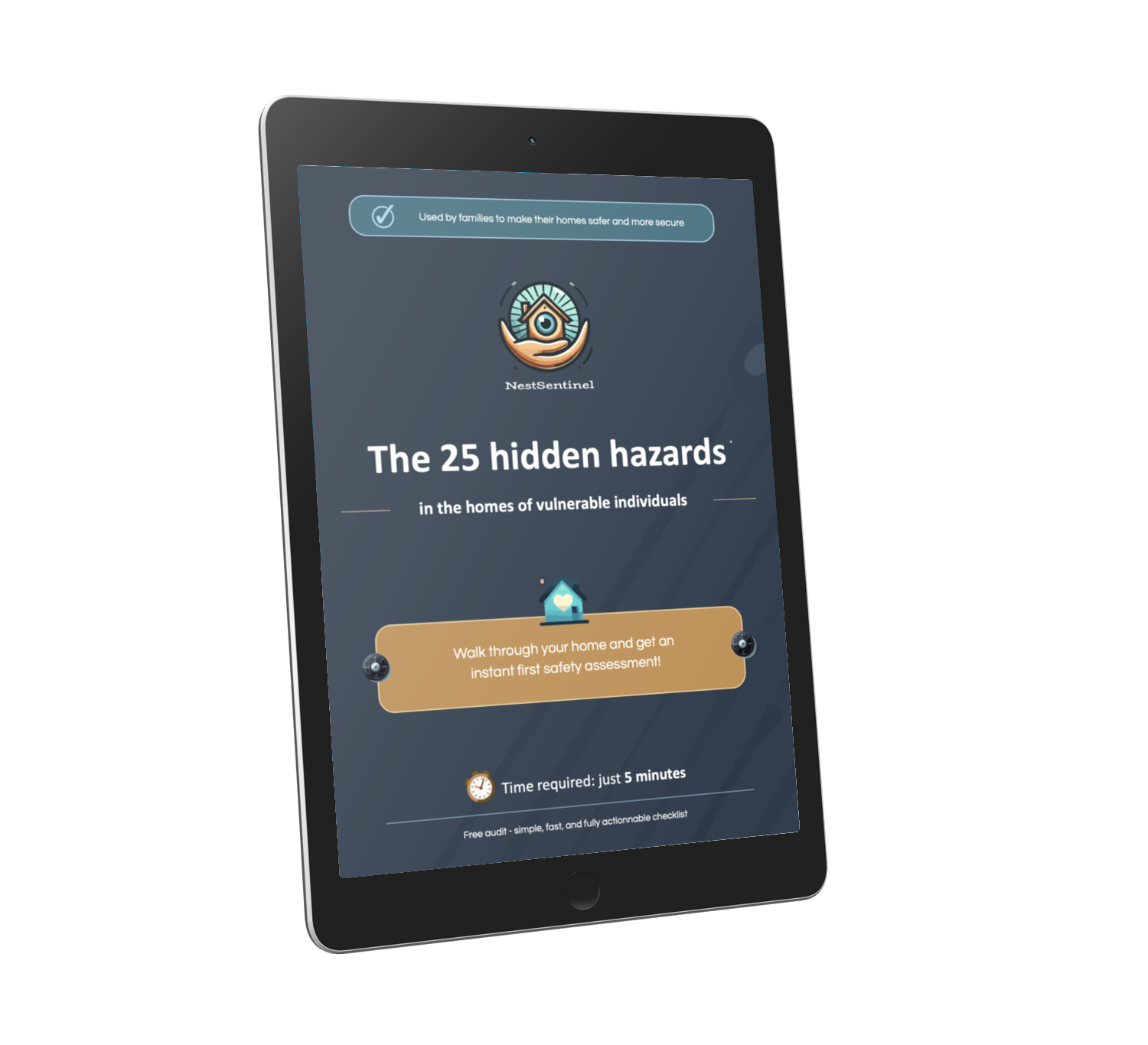
👉 To help you take a first step, download our free checklist of the 25 hidden hazards and identify risks in just a few minutes.
Sources and references
- World Health Organization (WHO) – Falls
- French Ministry of Health – National fall prevention plan for older adults
- Haute Autorité de Santé – Older adults at risk of falls
FAQ: about fall prevention solution for nursing homes
What is the best fall prevention solution for nursing homes?
The best solution combines risk assessment, human prevention, environmental adaptation, and reliable detection technology.
Why are falls frequent in nursing homes?
Residents often combine several risk factors: advanced age, balance disorders, medication, frailty, cognitive impairment, or reduced mobility.
Can technology reduce staff workload?
Yes, when it prioritizes alerts, reduces false alarms, and integrates easily into existing workflows.
Do nursing homes need cameras to detect falls?
Not necessarily. Non-intrusive approaches can help detect risk situations while respecting residents’ privacy.


One Response