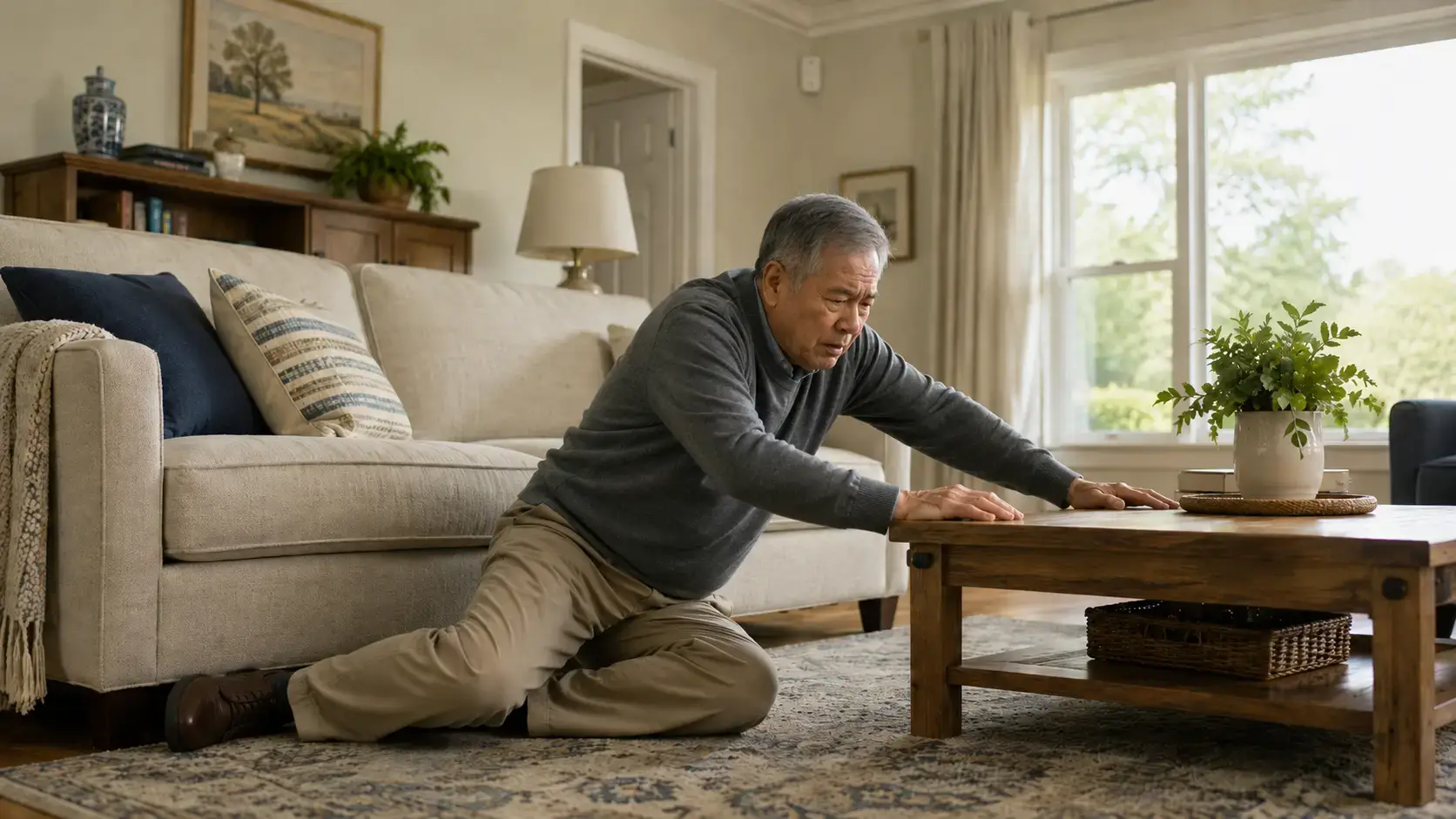

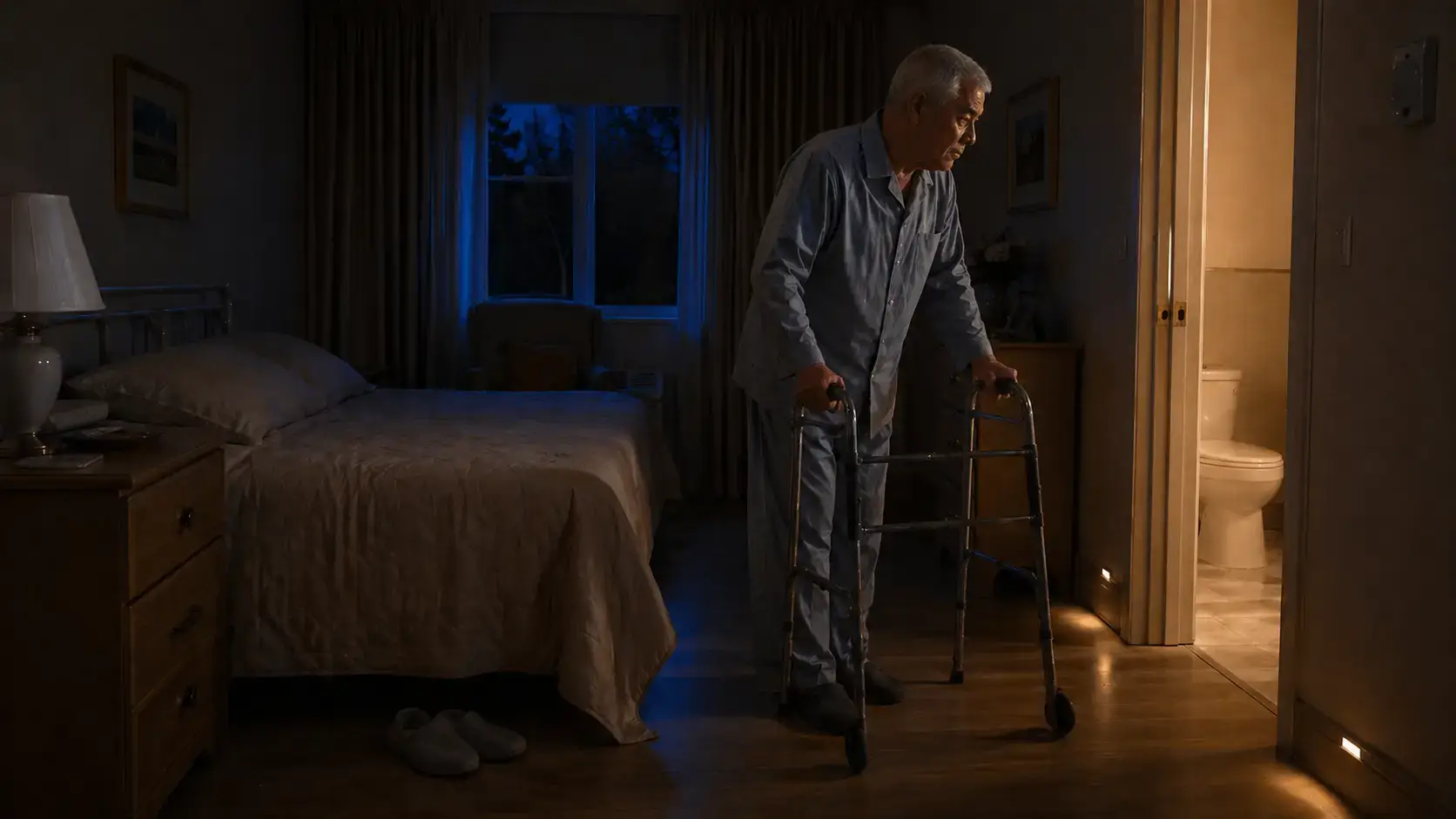
Falls are a major risk for older adults and vulnerable individuals, but not every prevention technology is acceptable in private spaces. For homes, nursing homes, hospitals, clinics and senior residences, fall detection without video cameras is becoming an important alternative.
What is fall detection without video cameras?
Fall detection without video cameras refers to technologies designed to identify possible falls without capturing standard video images of a person.
Unlike RGB video cameras, these systems may rely on radar, thermal sensing, wearables, motion sensors, audio event analysis or multi-sensor data fusion. The goal is to detect risk situations while reducing the feeling of being watched.
Key takeaways
Why avoid video cameras for fall detection?
Video-based fall detection can be technically powerful, but it is also sensitive. Bedrooms, bathrooms and care rooms are private environments. A technology that feels like surveillance may be refused by older adults, families or professional care teams.
A JMIR scoping review on video-based Ambient Assisted Living technologies found that acceptance is strongly linked to privacy perception, context of use and real-life deployment conditions. In other words, a system may be technically relevant, but still difficult to accept if people feel watched.
Alternative 1: radar-based fall detection
Radar-based fall detection uses radio waves to detect presence, movement, velocity and body position changes. It does not need light and does not create a standard visual image of the person.
Recent research describes radar as a promising non-contact approach for fall detection, especially because it can support privacy-preserving monitoring compared with camera-based systems.
Its limits are also important to understand: real-world environments are complex, and performance can vary depending on room layout, multiple people, furniture, posture and deployment conditions.
Alternative 2: thermal sensing
Thermal sensing detects heat patterns rather than standard visual details. It can help identify posture, presence, immobility or long-lie situations after a fall.
A 2025 study on long-lie incidents describes thermal imaging as a privacy-preserving approach for detecting post-fall immobility, while also noting the need for real-world validation beyond controlled settings.
For users, the key message is simple: thermal sensing is not standard video monitoring. It does not aim to recognize faces or record everyday life.
Alternative 3: wearables and emergency buttons
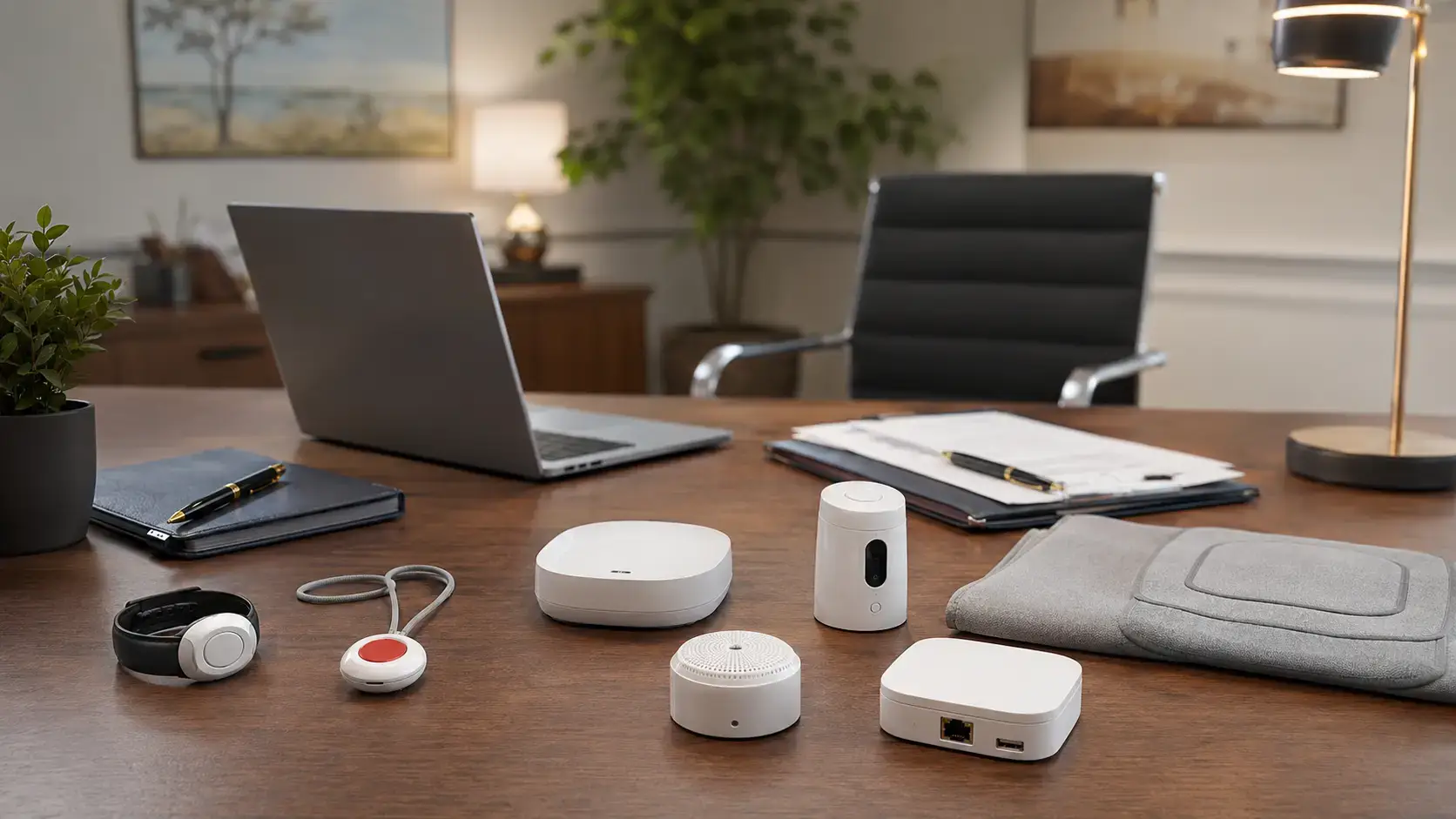
Bracelets, pendants and smartwatches can support fall detection or emergency alerts. They are familiar and can be useful, especially at home.
But they depend on compliance. If the device is removed, forgotten, uncharged or impossible to activate after a fall, the alert may not happen. This makes wearables useful, but not always sufficient as a standalone prevention strategy.
Alternative 4: environmental and motion sensors
Motion sensors, bed-exit sensors, door sensors, light sensors and environmental sensors can help understand context: presence, night-time activity, room conditions or unusual inactivity.
On their own, these sensors may not confirm a fall. But they can contribute valuable signals when combined with other technologies.
Why multi-sensor detection matters
A fall is not always a dramatic impact. Some falls are slow, soft or followed by prolonged immobility. Others may look like normal movement.
This is why combining several signals can be valuable: radar for movement, thermal sensing for posture, audio for impact or distress events, and environmental sensors for context. The objective is not only to detect faster, but to alert better.
Discover RoomGuardian by NestSentinel
The future of prevention in care environments will not be won by the most visible technology, but by the most acceptable one. A solution can only protect people over time if residents tolerate it, families trust it, and care teams believe in the quality of its alerts.
RoomGuardian by NestSentinel was designed precisely around this principle: protect without imposing, detect without filming, assist without stigmatizing. By combining radar, thermal sensing, audio event analysis, presence detection and contextual environmental signals, RoomGuardian aims to identify risk situations earlier without video cameras, without bracelets and without requiring action from the resident. Its edge-based architecture keeps analysis close to the source, while its multi-sensor approach helps qualify alerts before they reach care teams.
In other words, RoomGuardian is not just another detection device. It is a new generation of non-intrusive prevention technology: discreet enough to be accepted by residents, intelligent enough to support caregivers, and respectful enough to preserve what matters most in care — dignity, trust and human presence.