The digital transformation of healthcare and medical-social facilities is creating new opportunities to improve safety, coordination, and risk prevention. But it also raises an essential question: how can we protect vulnerable individuals without compromising their privacy?
What is health data security in care facilities?
Health data security in care facilities refers to the set of rules, practices, and technologies used to protect the personal and medical information of patients, residents, or supported individuals.
This data is highly sensitive. In Europe, health data is subject to strict GDPR requirements, including confidentiality, security, access control, and data minimization.
Key takeaways
Why the balance is complex
In a care facility, resident safety often depends on the ability to detect a risk situation quickly: a fall, prolonged immobility, call for help, early-stage fire, or nighttime incident.
But the more information a technology captures, the more questions it raises: who can access the data? How long is it stored? Is it truly necessary? Could it be used for other purposes?
Under the GDPR, health data belongs to a special category of personal data, with processing generally prohibited unless specific legal conditions are met. This requires facilities and digital solution providers to apply strong principles of proportionality, justification, and necessity.
What care facilities expect in practice
Why vulnerable individuals are more concerned
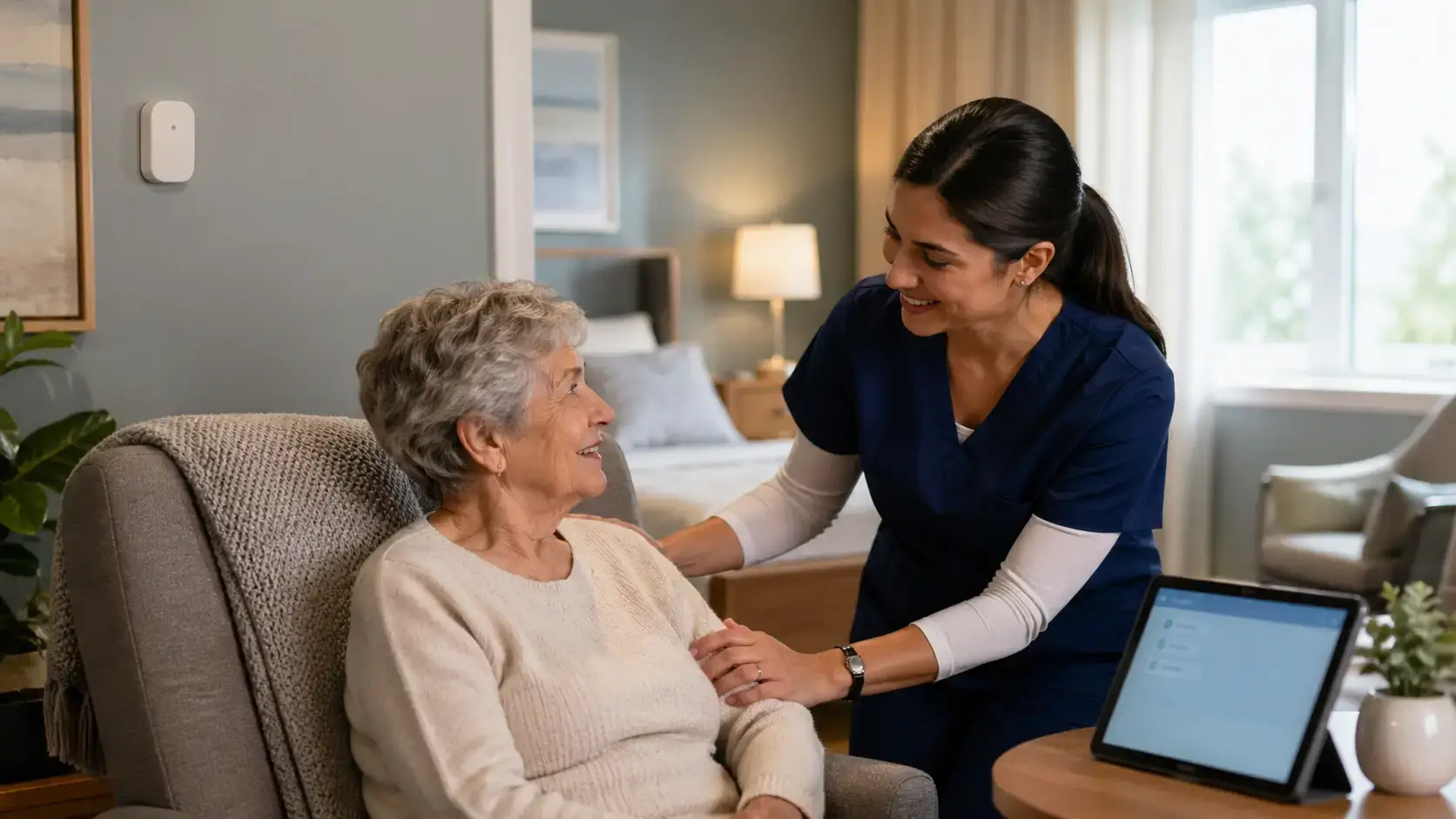
Seniors and vulnerable individuals may need a higher level of protection, especially at home, in nursing homes, or in medical-social facilities.
But this protection must not become permanent surveillance. Useful risk prevention technology should remain discreet, proportionate, and understandable. It should improve home safety or safety in care facilities while preserving the privacy of the people being supported.
This is where the balance becomes delicate: detecting early, alerting quickly, but never turning a bedroom or living space into an area of continuous observation.
Toward more privacy-respecting technologies
This is precisely the balance NestSentinel was designed around: strengthening the safety of seniors and vulnerable individuals without turning their living environment into a space of permanent surveillance.
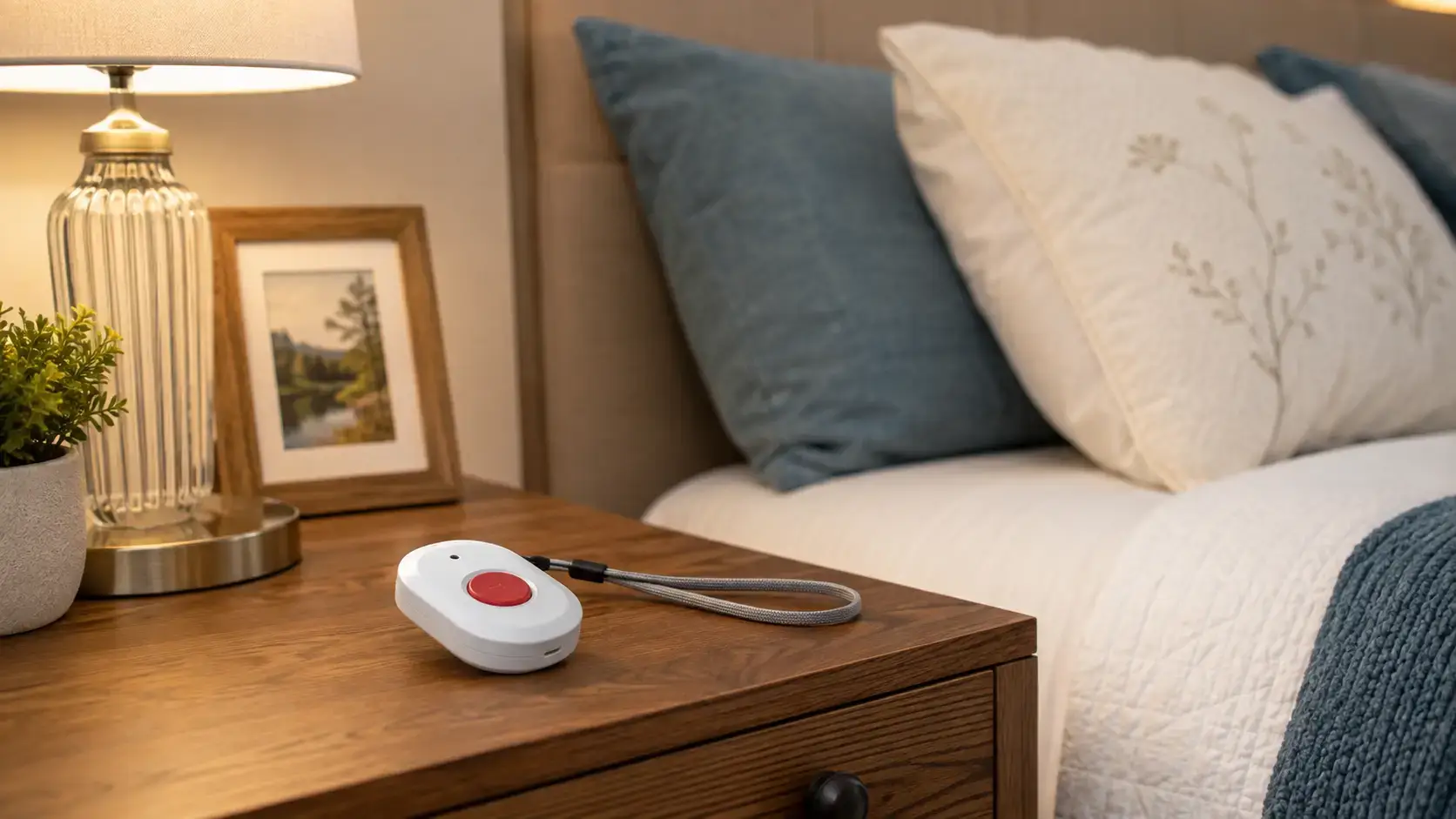
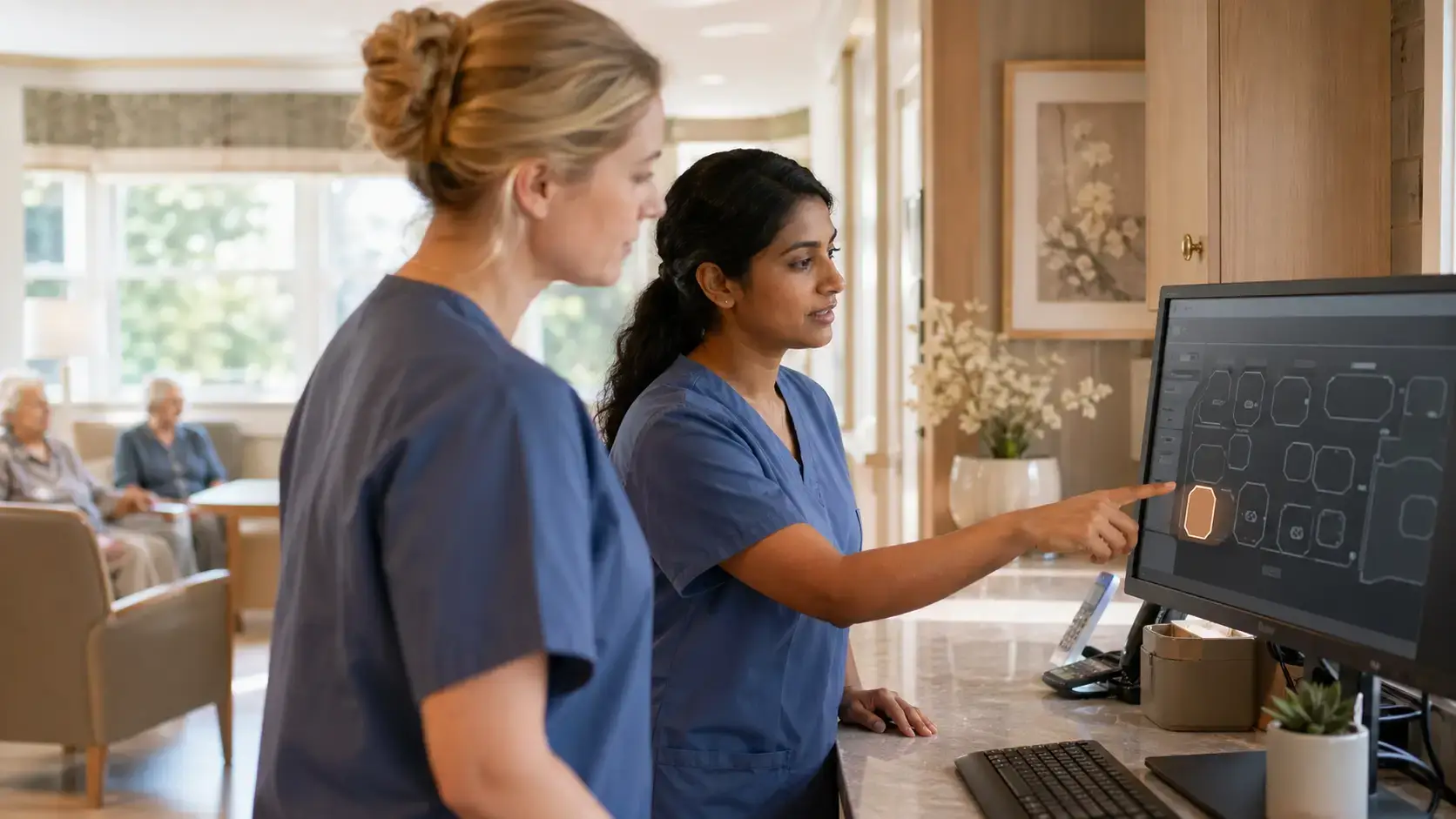
The solution is based on a non-intrusive approach: no video cameras, no mandatory wearable devices, and no action required from the resident. The goal is to automatically detect risk situations — falls, calls for help, prolonged immobility, or everyday incidents — while fully respecting the privacy of the people being supported.
This vision is aligned with the current expectations of healthcare and medical-social facilities: limiting collected data, securing access, protecting sensitive information, and designing technologies that remain compatible with the trust of residents, families, and care teams.
The next generation of prevention technologies will need to integrate privacy from the very beginning. In digital health, security frameworks, certified health data hosting, and privacy-by-design principles are becoming essential requirements.
The goal is not to observe more. The goal is to protect better, with limited, secure, and useful data.
Discover RoomGuardian’s privacy-first approach
Protecting residents also means protecting their personal and health-related data. In care facilities, prevention technologies must therefore be designed to minimise data exposure from the outset—not simply secure it after collection.
This is the approach behind RoomGuardian. Its AI processes sensitive sensor data locally, while only the information required for alerts, coordination and follow-up is transmitted to the platform. The solution is designed without identifiable video cameras and with a sovereign, GDPR-conscious architecture that can support HDS-compliant hosting when required.
Discover how RoomGuardian combines early risk prevention with privacy by design—helping care teams watch over residents without exposing their daily lives.