
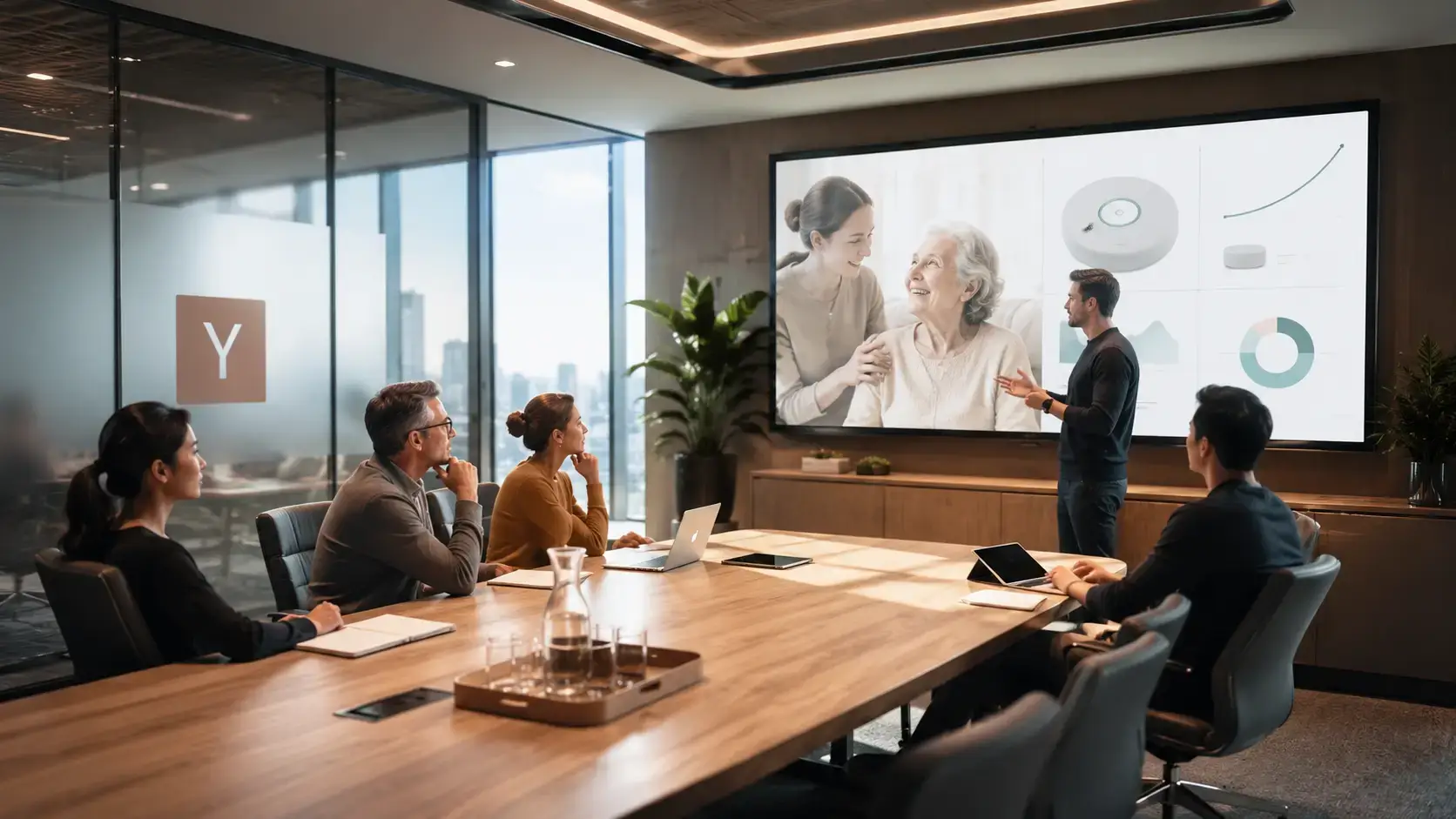
Y Combinator has published its latest Requests for Startups, the list of major problems the world’s most influential startup accelerator wants founders to tackle. One of them stands out clearly: AI for the aging population.
For NestSentinel, this is not a new idea. It is a confirmation.
Why aging is becoming a technology priority
In its request, Y Combinator points to a simple but powerful reality: by 2030, one in five Americans will be over 65, millions of caregiving jobs are expected to remain unfilled, and tens of millions of unpaid family caregivers are already supporting loved ones. YC also notes that too little technology has been truly designed for older adults.
This is exactly the gap NestSentinel was created to address.
The challenge is not only demographic. It is human, operational and technological. Older adults want to remain safe and independent. Families want reassurance. Care teams need earlier, more useful information. And yet many existing solutions still rely on tools that are either intrusive, poorly accepted, or too dependent on the person using them correctly.
The need is not more surveillance
YC mentions a new class of AI-enabled products: voice interfaces, monitoring that helps older adults stay safe and independent, robotics, and caregiver coordination software.
But for monitoring, the key question is not simply: can we detect more?
The real question is: can we protect better without watching people?
For NestSentinel, the answer has always been clear. Prevention technology for older adults must respect privacy, dignity and autonomy from the start. In the most intimate spaces — a bedroom, a living room, a care room — the future cannot be “one more camera”.
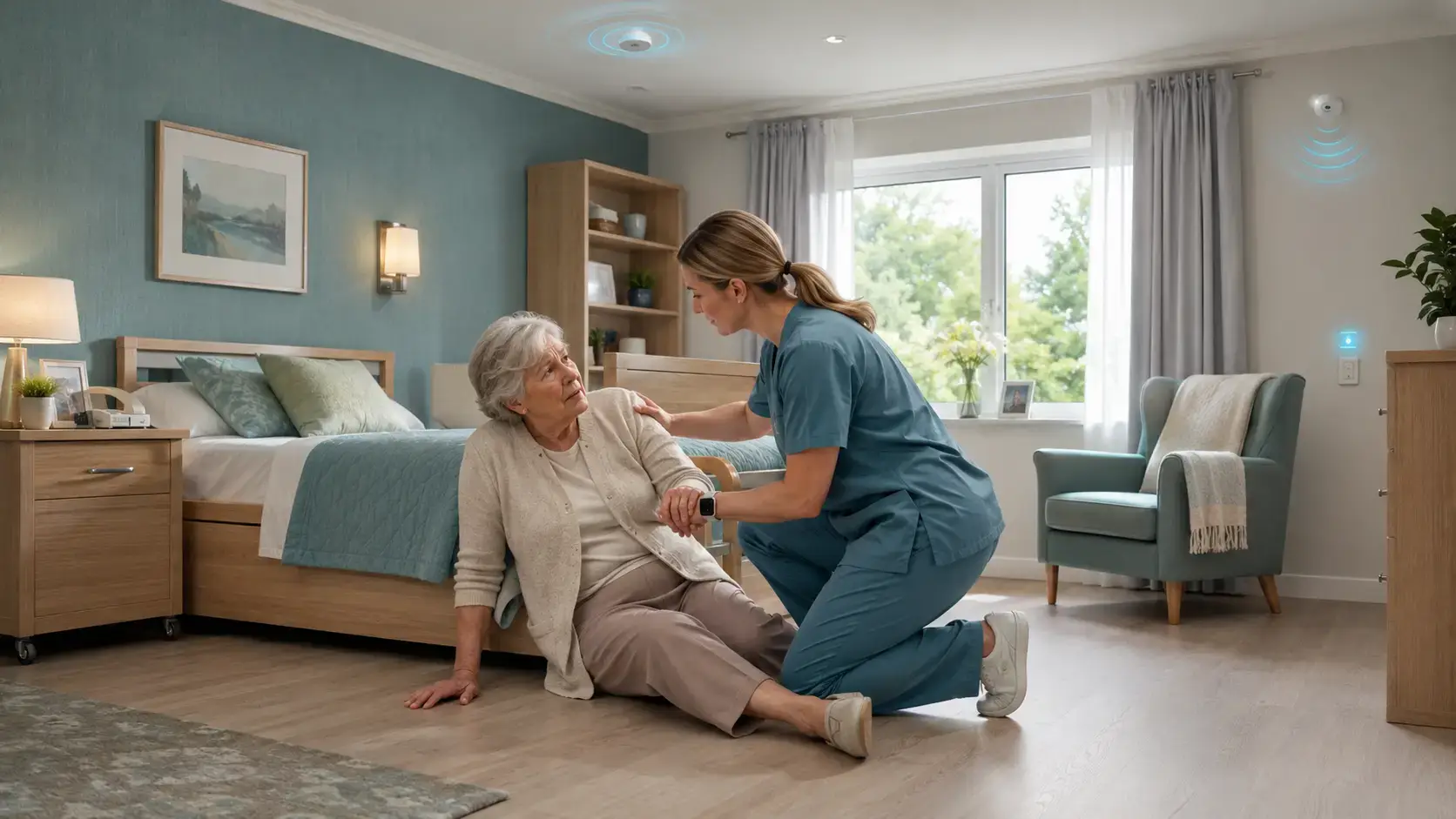
Why NestSentinel started building before the market said it was obvious
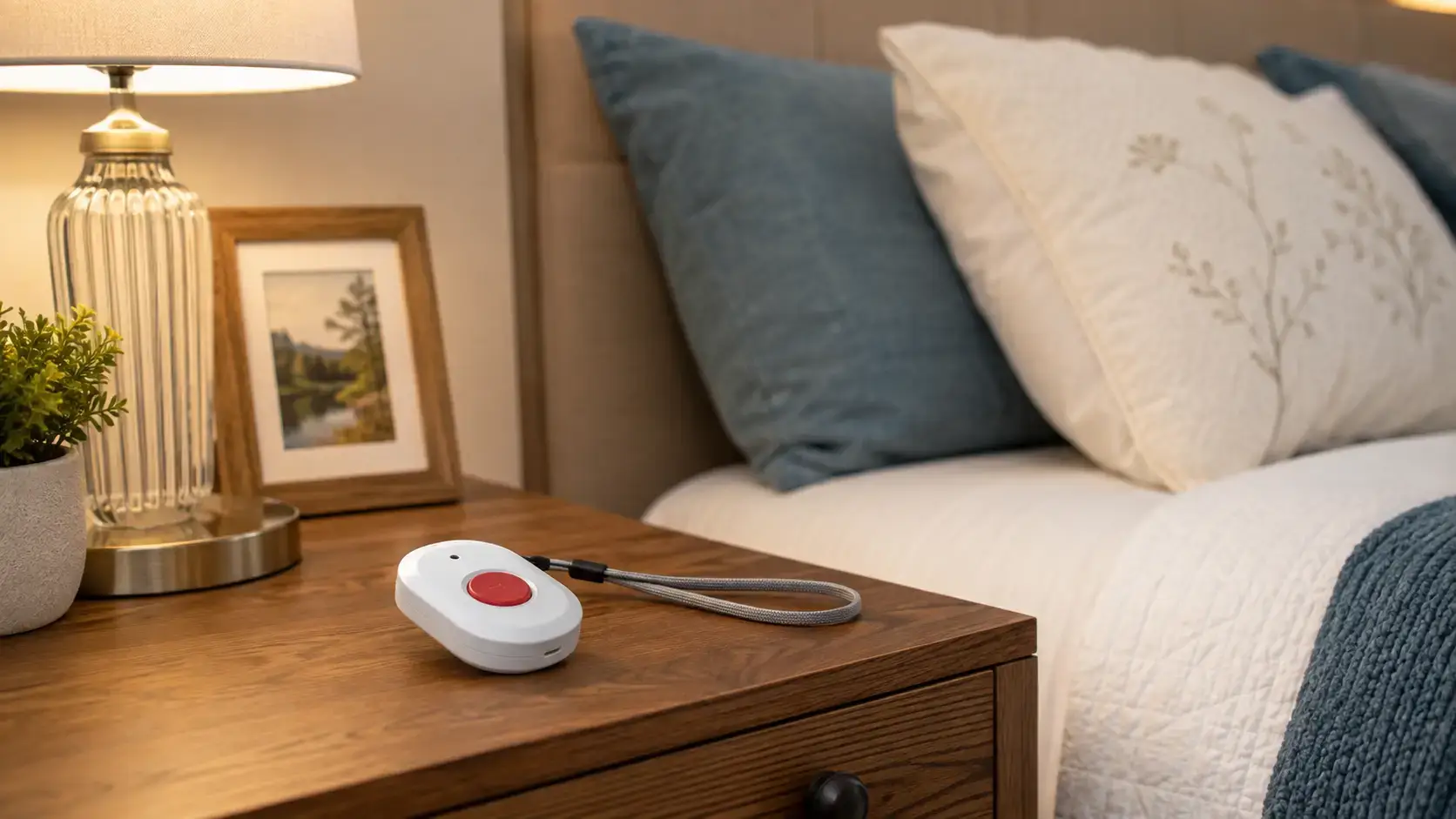
RoomGuardian by NestSentinel was designed around this conviction: intelligent monitoring should be non-intrusive, local-first and acceptable.
The solution combines several physical sensing modalities — including radar, thermal sensing, PIR, audio event analysis and environmental sensing — with embedded AI. Its objective is to identify critical situations such as falls, distress, prolonged immobility or gradual loss of autonomy without video cameras, without wearables and without action required from the occupant. NestSentinel’s business plan also states that inference runs locally and that raw data does not leave the building, with only encrypted metadata sent to the cloud.
This matters because the aging market will not be solved by technology alone. It will be solved by technology people can accept in real life.
A global signal, a European response
When Silicon Valley identifies aging as one of the world’s largest underserved markets, it validates the size of the opportunity. But it also reinforces another point: the answer must be built with trust.
For NestSentinel, that means a sovereign, European approach to AI-powered prevention. RoomGuardian is not designed to replace caregivers or family presence. It is designed to support them with earlier, more contextual and more respectful information.
We did not wait for this market to become fashionable. We started from the problem: falls detected too late, caregivers under pressure, families left without visibility, and older adults who deserve to be protected without being watched.
Y Combinator’s request is a strong external signal.
For us, it confirms what we have believed from the beginning: AI for aging is not a niche. It is one of the major infrastructure challenges of the coming decade.